



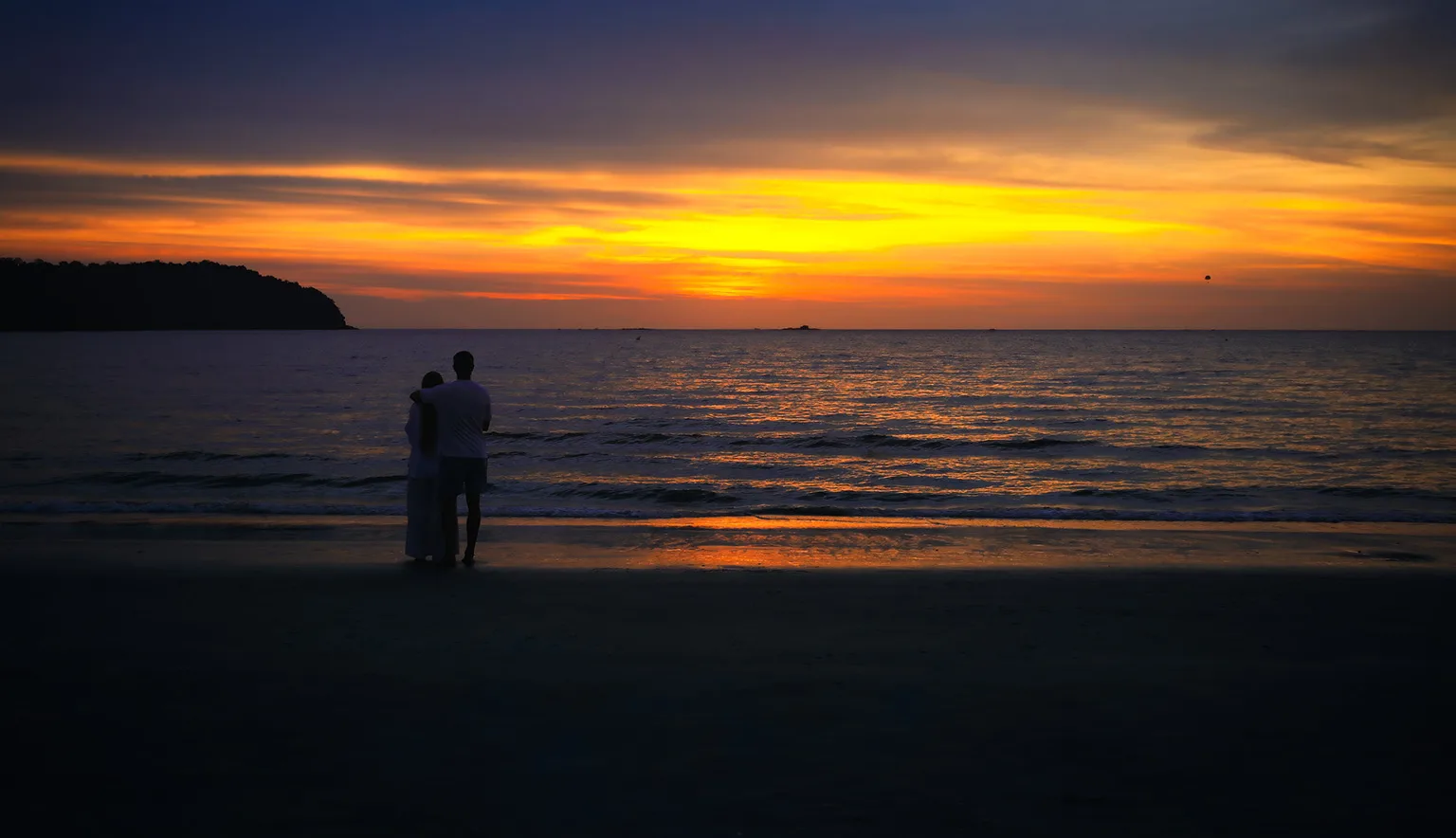

Comprising 99 islands – each unique in their own right – Langkawi is an archipelago with a difference. Explore the region’s canopied green landscapes, sink your toes into soft ivory-sanded beaches, and immerse yourself in bustling night markets.
LANGKAWI
Situated on the vast glistening waters of the Andaman Sea, Langkawi creates a sense of serenity seldom seen elsewhere in the region. Located 30 kilometres (km) off Malaysia’s coast, the archipelago boasts some of the world’s rarest and most diverse ecosystems, ranging from deep tropical rainforests to sweeping beaches that are picture perfect.
Langkawi is deeply rooted in Malay culture, characterised by extensive historical ties to the Kedah Sultanate, one of the oldest royal institutions in Malaysia. Moreover, the archipelago is known as the ‘Legendary Island’, a name attributed to its vast ties to Malay folklore, visible through its landscapes, landmarks, and cultural sites that each reveal a new layer of the region’s past.
Aside from its heritage, Langkawi culture is centred around nature-based experiences and fascinating biodiversity that alter the way you view the natural world. Indeed, its status as a UNESCO Global Geopark makes it a premier ecotourism destination.
From sweeping treetops to silky sand, Langkawi is undoubtedly the place to go for a dreamy and romantic getaway, with iridescent waterfalls, mesmerising sunsets, and a tranquillity that distinguishes the islands from the hustle and bustle of Malaysia.
With a whole host of glamorous resorts, rustic stays immersed in nature, and a deep warmth felt amongst the locals, Langkawi makes the most of its unique landscape to meet the desires of any traveller. Why not take a trip to experience these otherworldly vistas for yourself?
Q&A WITH THE LANGKAWI DEVELOPMENT AUTHORITY
Established in 1990, the Langkawi Development Authority (LADA) was created to guide the island’s transformation into an international tourism destination.
From the outset, its role has been to balance economic growth with environmental protection, ensuring tourism development does not come at the expense of the archipelago’s natural and cultural assets.
Waffa Wahida Binti Zainol, Tourism Manager, talks us through the organisation’s mission to position Langkawi as a world-class destination whilst also safeguarding its ecological integrity, supporting local communities, and preserving the island’s unique identity.
Firstly, could you talk us through LADA’s motto and how it emphasises Langkawi’s status as a UNESCO Global Geopark?
Waffa Wahida Binti Zainol, Tourism Manager (WWZ): ‘Naturally Langkawi’ is our way of returning the spotlight to what actually defines the island.
As a UNESCO Global Geopark, Langkawi’s value lies in how its landscapes, ecosystems, and communities are interconnected – not isolated attractions.
The motto reinforces that by framing the island as something to be experienced, not consumed. And that’s very much in line with what the geopark destination stands for.
Announced at Internationale Tourismus-Börse Berlin (ITB Berlin) 2026, how does your new directive position nature-led tourism experiences at the forefront of your focus?
WWZ: At ITB Berlin 2026, we made a conscious shift in emphasis – from promoting Langkawi as a destination you visit to one you experience more meaningfully.
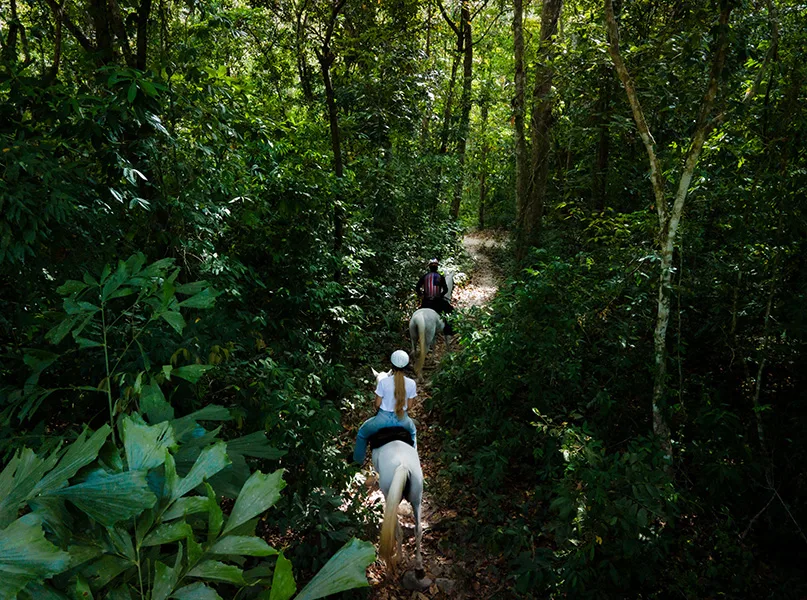
That means putting nature-led experiences at the forefront – exploring mangroves with local guides, understanding the island’s geological story, or engaging with communities whose lives are closely tied to the land.
It’s a move away from volume-driven tourism towards something more intentional, where the value of a visit is measured not by how much you see, but by how deeply you engage.

“Langkawi reveals itself best in layers. You might begin with its more familiar icons, but the real richness lies in transitions – moving from sea to forest, open skies to quiet village roads, geological landmarks to everyday local life”
Waffa Wahida Binti Zainol, Tourism Manager, Langkawi Development Authority
How best can travellers experience the diversity the archipelago has to offer?
WWZ: Langkawi reveals itself best in layers. You might begin with its more familiar icons, but the real richness lies in transitions – moving from sea to forest, open skies to quiet village roads, geological landmarks to everyday local life.
Rather than trying to see everything, we often encourage travellers to follow a rhythm instead. Let experiences unfold at their own pace. The diversity of the archipelago becomes more apparent when you give it space to do so.
How does the authority meet the needs of modern travellers whilst also achieving cultural preservation?
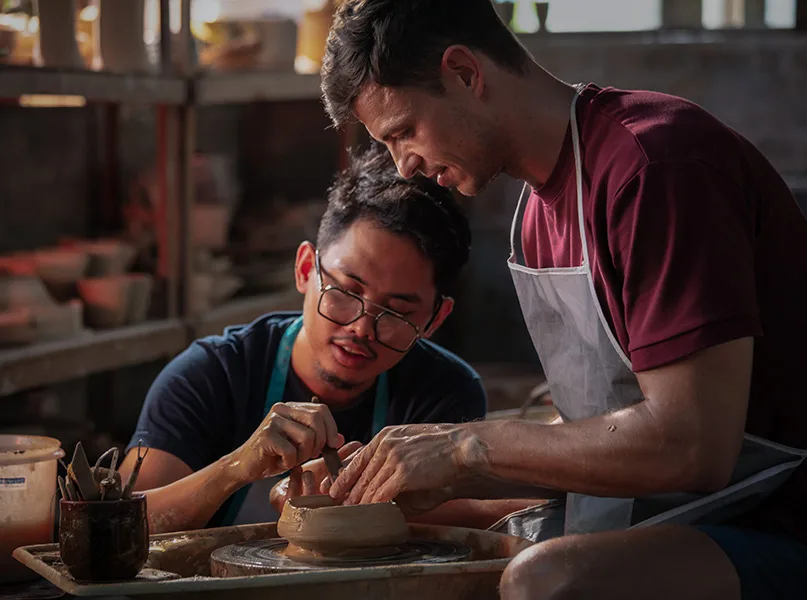
WWZ: Interestingly, those two goals are no longer at odds. Today’s travellers are increasingly drawn to places with a strong sense of identity where culture is not staged but part of everyday island life. Our role is to support that by elevating local experiences, not replacing them.
This includes working with communities, supporting heritage-led initiatives, and ensuring that development respects context. In doing so, cultural preservation becomes part of the experience itself and something visitors can engage with meaningfully, rather than observe from a distance.
“Today’s travellers are increasingly drawn to places with a strong sense of identity where culture is not staged but part of everyday island life. Our role is to support that by elevating local experiences, not replacing them”
Waffa Wahida Binti Zainol, Tourism Manager, Langkawi Development Authority
Can you tell us more about LADA’s sustainability focus and the ways in which you are promoting eco-friendly travel?
WWZ: As a UNESCO Global Geopark, there is an inherent responsibility to protect what exists. This shapes how experiences are developed, partnerships are formed, and visitors are engaged.
We focus on encouraging low-impact travel, supporting conservation-led initiatives, and working with operators who prioritise environmental responsibility. At the same time, we aim to build awareness, helping travellers understand that preserving Langkawi is a shared responsibility.
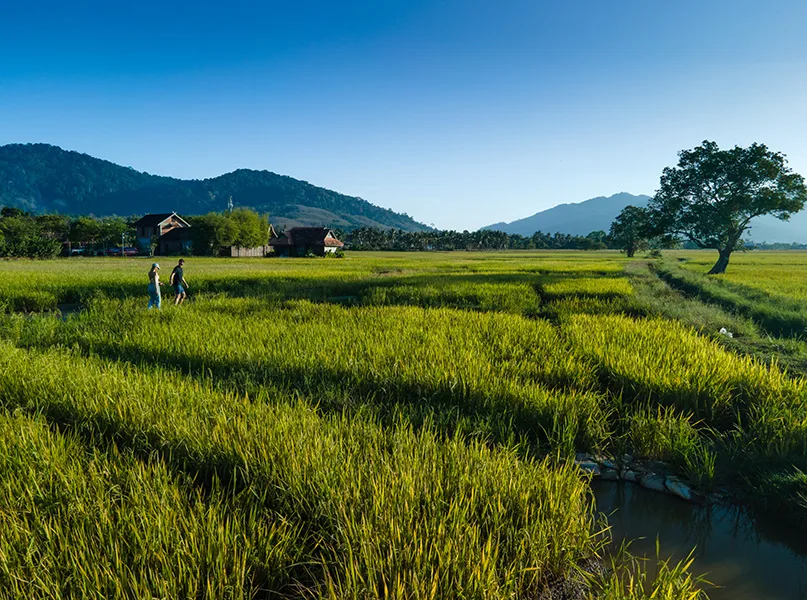
How is the authority promoting slower travel and encouraging visitors to fully immerse themselves in the culture through extended trips?
WWZ: We’re gently reframing what it means to ‘do’ Langkawi.
Instead of encouraging packed itineraries, we’re inviting travellers to stay a little longer, explore deeper, and experience the island at a more natural pace.
This could mean choosing to engage with local communities rather than moving quickly between attractions. Slower travel not only creates a more meaningful experience – it also allows the destination to breathe.
Finally, what are LADA’s plans for the next 12 months and are you optimistic about the future of tourism in the archipelago?
WWZ: Over the next year, our focus is on deepening what already makes Langkawi special – strengthening nature-led experiences, enhancing storytelling, and building partnerships that align with our long-term vision.
There is a clear global shift towards more conscious, experience-driven travel and Langkawi is well positioned for that.
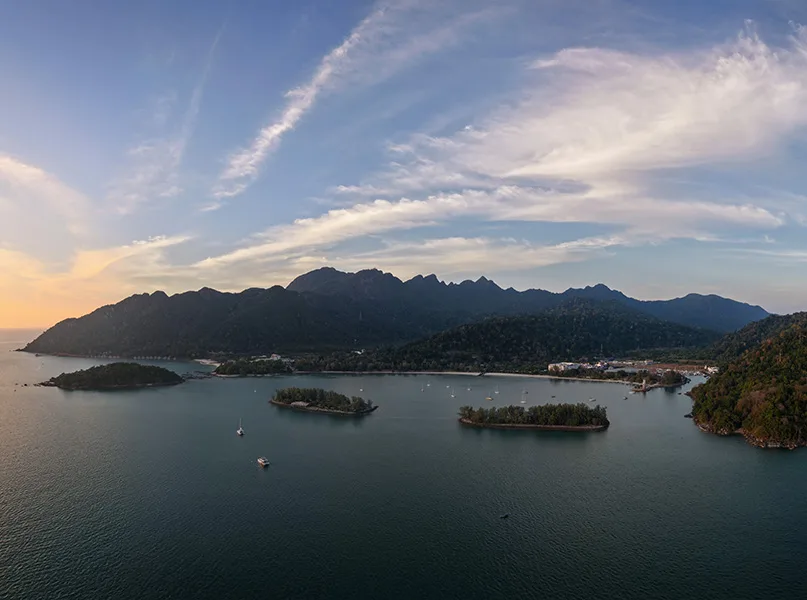
LANGKAWI NIGHT MARKETS IN FOCUS
An open door to local Langkawi life, the archipelago’s myriad night markets epitomise the deep character and lively atmosphere the region is known for.
Taking place typically between 17:00 and 22:00 at a different location every day of the week, these open-air markets are hubs of vibrant activity, and each holds its own unique charm and character.
Explore the bustling stalls and sample some of the most affordable but delicious street food Langkawi has to offer, or treat yourself to some artisan crafts, boutique traditional clothing, and charming souvenirs.

Spanning many different areas of the islands, the night markets are the ideal opportunity to explore every corner of Langkawi.
Typically taking place on Monday nights, what Ulu Melaka night market lacks in size it makes up for in tasty local food options at highly affordable prices.
In contrast, Tuesday’s Kedawang night market offers a highly festive atmosphere brimming with people. Also referred to as ‘Pasar Malam’ and recognised as a sensory feast, it’s the perfect place to interact with locals amongst a large spectrum of stalls selling food, handicrafts, clothing, and other local goods.

Whilst Kuah Town night market on Wednesday is one of the largest and busiest markets in the main island area, Bohor Temoyong night market on Thursday is highly popular with tourists and locals alike thanks to its close proximity to the Pantai Cenang area – a traveller hotspot thanks to its stunning beach scenery.
Spanning 0.5 km and close to Tanjung Rhu Beach on the northern tip of the archipelago, Ayer Hangat night market on Friday night is a magical experience filled with glowing lanterns and grilled food.
This vibe is similarly replicated in Kuah Town and Padang Matsirat night markets on Saturday and Sunday respectively.

OUTLOOK RECOMMENDS
Eat:
FOR MEDITERRANEAN FLAVOURS REDEFINED…
Drawing flavours from Langkawi’s verdant land, deep tropical waters, and sweeping valleys, Lancava Restaurant elevates the archipelago’s gastronomy to a new level with a heightened sense of indulgence and sophistication.
Each plate combines bold flavours with traditional Langkawi dishes, using local premium meats, the freshest fish, and vibrant plant-based creations crafted by world-class chefs whose passion for culinary innovation can be tasted in each bite.
Catering to every palate, from refined cuisine to traditional favourites, Lancava Restaurant is the perfect space for a romantic dining evening, memorable family get-together, or to reconnect with friends.
FOR AN AUTHENTIC MALAY EXPERIENCE…
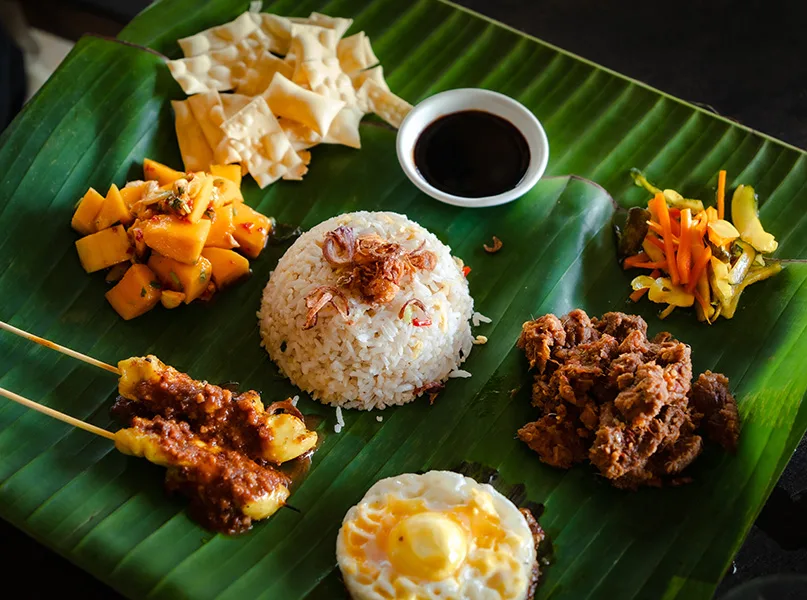
Found amongst the greenery of a beautiful rainforest, The Gulai House is an award-winning establishment whose rustic but sophisticated charm shines through in both its traditional cuisine and unique atmosphere. The menu features a number of classic Malay dishes, such as the restaurant’s signature beef rendang, which includes slow-braised dry beef ribs cooked over a fire.
The enchanting sounds of the forest wildlife continue to draw in guests from far and wide, as does The Gulai House’s setting in a traditional Malay Kampung house, which adds to the ambience by bringing the outside in. Visitors have a choice of floor seating, known locally as bersila, or rustic dining tables, each creating a one-of-a-kind dining experience.
Do:
FOR MARVELLING AT THE LANGKAWI SKY…
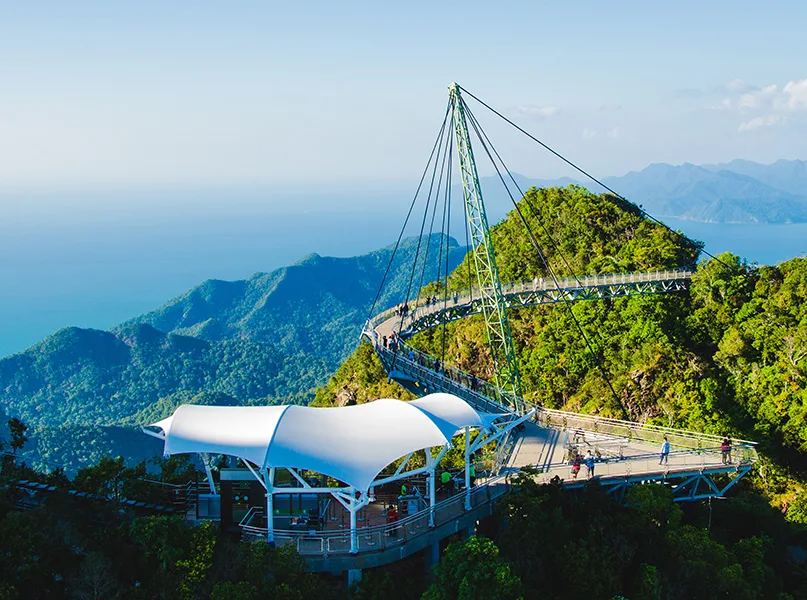
Soaring an impressive 125 metres (m) across the verdant green rainforest canopy from the peaks of Gunung Machinchang in Kedah, SkyBridge offers breathtaking panoramic views like no other.
Take the opportunity to see the world from above and be amongst the clouds as you gaze upon the beauty of the rugged Machinchang mountain range, shimmering Andaman Sea, and so much more.
Sleep:
FOR UNDERSTATED SPLENDOUR…
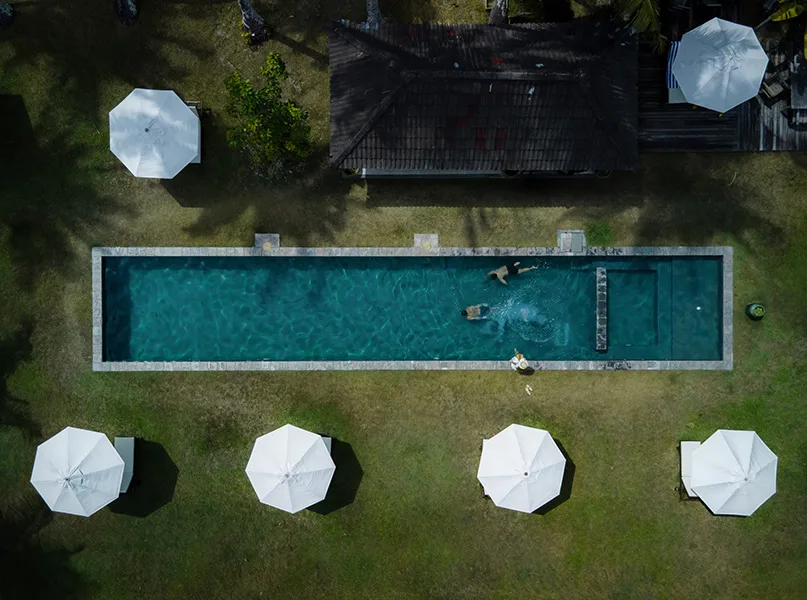
Typified by colonial elegance, the Danna Langkawi receives high praise for a reason. Thoughtfully combining island hospitality and warmth with sophisticated and modern suites, the resort offers breezy, stylish villas with a cool private pool and beachfront access, as well as glamorous oceanfront rooms that are spacious, classic, and oozing with Mediterranean charm.
Brimming with eclectic and curated menus, unwind and satisfy your taste buds with an abundance of culinary delights at one of Danna Langkawi’s many restaurants, each famed for their deep attention to detail and ability to leave guests wanting more.
FOR A SPACE WHERE WELLNESS MEETS WONDER…
Opening its doors in June this year, the newly built Hilton Langkawi Burau Bay Resort is the perfect place for those seeking modern luxury amongst the undisturbed coastal rainforest. Boasting 251 rooms – including 85 seafront rooms and suites – the resort is more than a peaceful stay; it is a beachfront sanctuary.
If the staggering sunset views over the Strait of Malacca were not enough to draw you in, the indulgent spa and serene gardens are sure to evaporate any stresses from the outside world, letting guests sink deeply into island bliss.
This is further enhanced by the range of spacious rooms and suites on offer, which exude sophistication with thoughtful furnishings, soft lighting, and large cloud-like beds that let guests drift off peacefully.
LANDMARK ATTRACTIONS
Eagle Square
Known locally as Dataran Lang, Langkawi’s emblematic eagle perches proudly with its wings magnificently outstretched in Eagle Square. The structure stands 12 m above a star-shaped concrete deck overlooking the Kuah Jetty, acting as a welcoming icon to the archipelago’s visitors. According to local folklore, the giant statue commemorates Langkawi’s namesake, derived from the two Malay words ‘helang’ meaning eagle and ‘kawi’ meaning reddish brown.
Telaga Tujuh Waterfalls
Also known as Seven Wells Waterfall after its seven natural freshwater pools, the spectacle of the Telaga Tujuh Waterfalls can be found in the Machinchang Cambrian Geoforest Park and is split between the lower and upper pools. The former requires a climb of around 200 steps to reach but features a 91-m-tall vertical waterfall at the top. The upper pools, meanwhile, take a little more effort, accessible via 638 steps but made worth it by a natural waterslide at the peak.
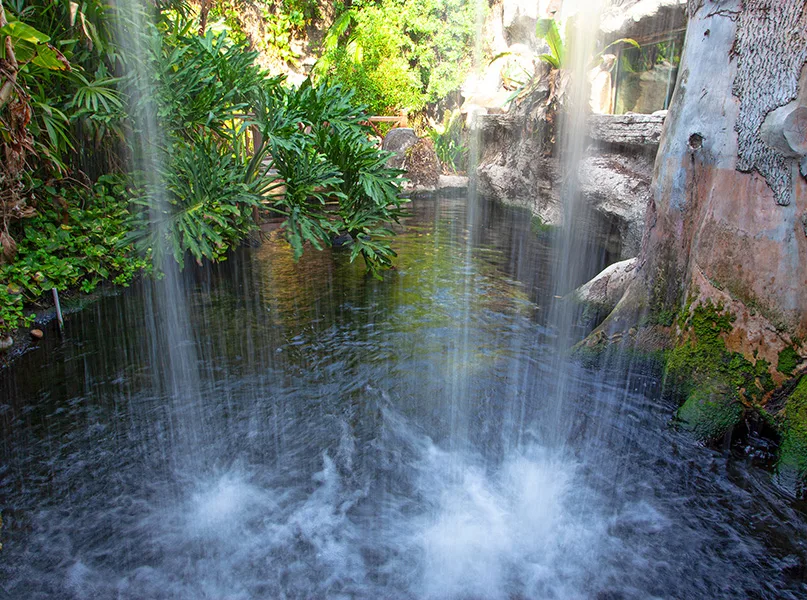
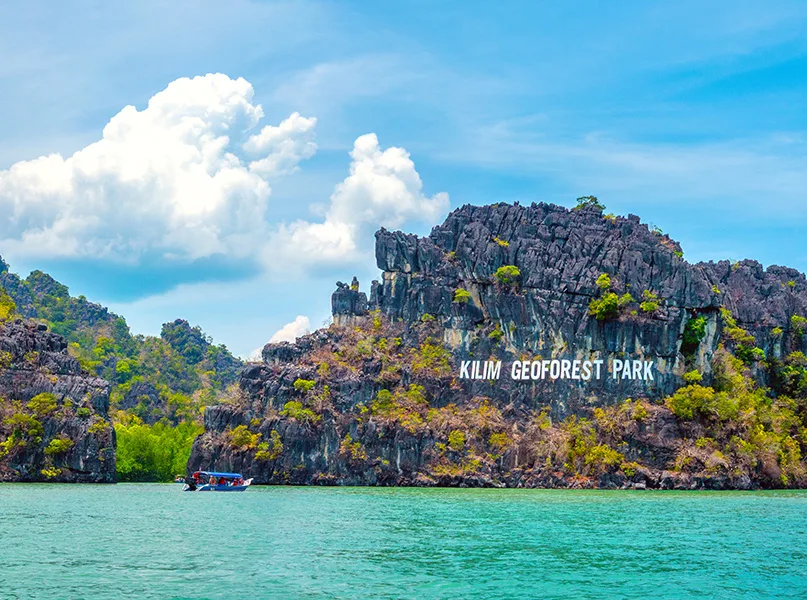
Kilim Geoforest Park
A highlight of the Langkawi UNESCO Global Geopark, the 100-square-kilometre nature reserve is abundant with ancient geological heritage, sprawling mangroves, intriguing flora and fauna, and the welcoming local community. The park is one of Malaysia’s most significant examples of coastal karst and mangrove ecosystems. Explorers can also catch a rare glimpse of endemic birds and flowers that have astounded visitors for centuries.
GETTING THERE AND AROUND
Situated on the northwestern coast of the Malaysian Peninsular in the Andaman Sea, the best way to reach Langkawi is by air.
Many neighbouring regions offer direct flights, including Kuala Lumpur and Penang in Malaysia, various areas of Singapore, and other nearby international hubs, which all fly into Langkawi International Airport (LGK) in Padang Matsirat.
If travelling by sea is more your style, ferry trips are available from the Malaysian mainland. The most direct journeys include a 1 hour 15-minute trip from Kuala Perlis, or a 1-hour 45-minute journey from Kuala Kedah. You can also catch a high-speed ferry from Thailand that takes approximately 1.5 hours.
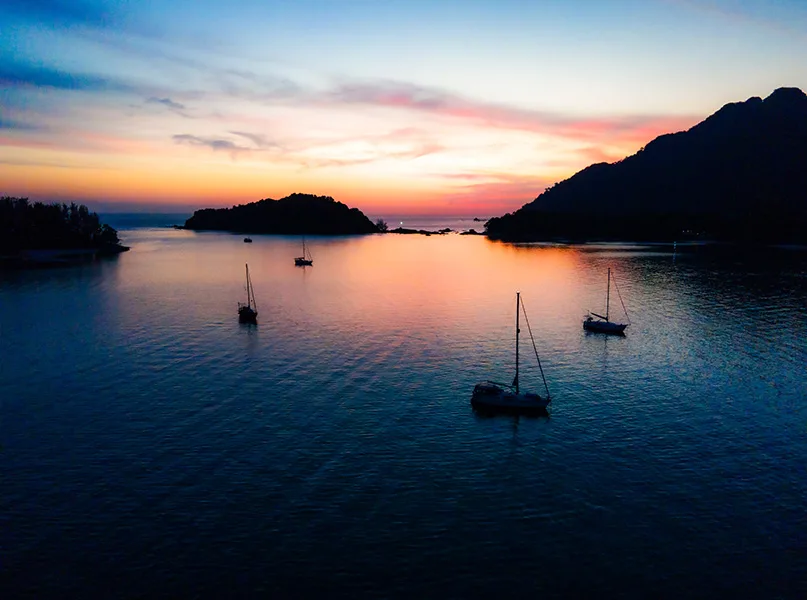
Once on solid ground in Langkawi, island hopping is best recommended if you wish to see all this fantastic archipelago has to offer. Cruises and packages are typically provided by local tour guides and offered from popular resorts and travel hotspots.
You can also hire a car or scooter to make the most of your trip, as public transport is very limited across the islands. There are a number of vehicle rental providers at the airport, who offer highly affordable rates and a vast range of vehicles depending on your needs.
Alternatively, taxi services are available via the Grab ride-hailing app – a much more affordable and convenient option than standard metred taxis.