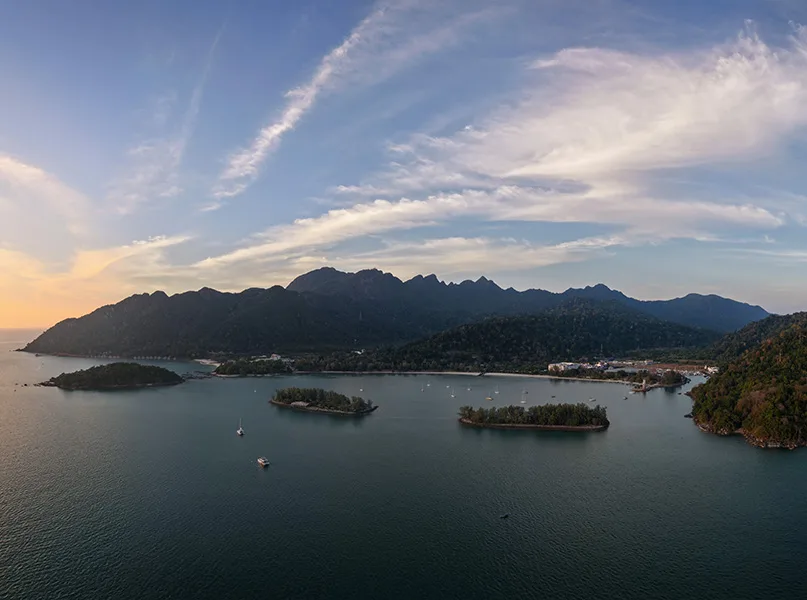


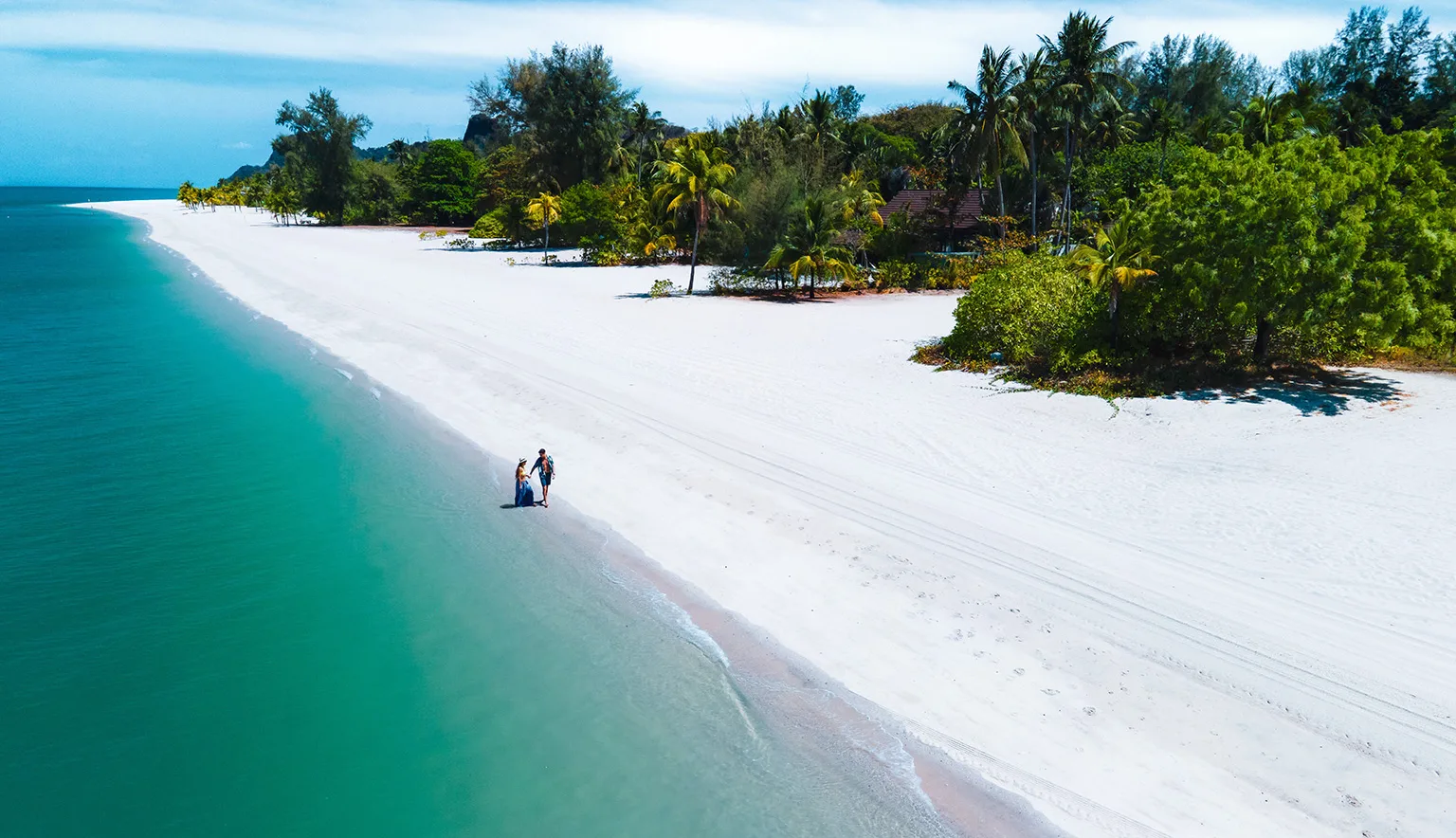
 was created to guide the island’s transformation into an international tourism destination.)
Established in 1990, the Langkawi Development Authority (LADA) was created to guide the island’s transformation into an international tourism destination.
From the outset, its role has been to balance economic growth with environmental protection, ensuring tourism development does not come at the expense of the archipelago’s natural and cultural assets.
Waffa Wahida Binti Zainol, Tourism Manager, talks us through the organisation’s mission to position Langkawi as a world-class destination whilst also safeguarding its ecological integrity, supporting local communities, and preserving the island’s unique identity.
Q&A WITH THE LANGKAWI DEVELOPMENT AUTHORITY
Firstly, could you talk us through LADA’s motto and how it emphasises Langkawi’s status as a UNESCO Global Geopark?
Waffa Wahida Binti Zainol, Tourism Manager (WWZ): ‘Naturally Langkawi’ is our way of returning the spotlight to what actually defines the island.
As a UNESCO Global Geopark, Langkawi’s value lies in how its landscapes, ecosystems, and communities are interconnected – not isolated attractions.
The motto reinforces that by framing the island as something to be experienced, not consumed. And that’s very much in line with what the geopark destination stands for.
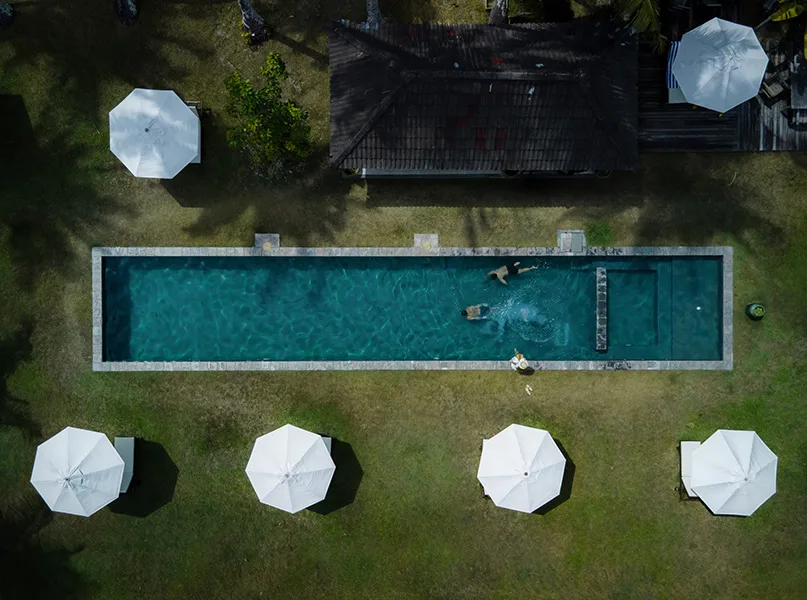
Announced at Internationale Tourismus-Börse Berlin (ITB Berlin) 2026, how does your new directive position nature-led tourism experiences at the forefront of your focus?
WWZ: At ITB Berlin 2026, we made a conscious shift in emphasis – from promoting Langkawi as a destination you visit to one you experience more meaningfully.
That means putting nature-led experiences at the forefront – exploring mangroves with local guides, understanding the island’s geological story, or engaging with communities whose lives are closely tied to the land.
It’s a move away from volume-driven tourism towards something more intentional, where the value of a visit is measured not by how much you see, but by how deeply you engage.

“Langkawi reveals itself best in layers. You might begin with its more familiar icons, but the real richness lies in transitions – moving from sea to forest, open skies to quiet village roads, geological landmarks to everyday local life”
Waffa Wahida Binti Zainol, Tourism Manager, Langkawi Development Authority
How best can travellers experience the diversity the archipelago has to offer?
WWZ: Langkawi reveals itself best in layers. You might begin with its more familiar icons, but the real richness lies in transitions – moving from sea to forest, open skies to quiet village roads, geological landmarks to everyday local life.
Rather than trying to see everything, we often encourage travellers to follow a rhythm instead. Let experiences unfold at their own pace. The diversity of the archipelago becomes more apparent when you give it space to do so.
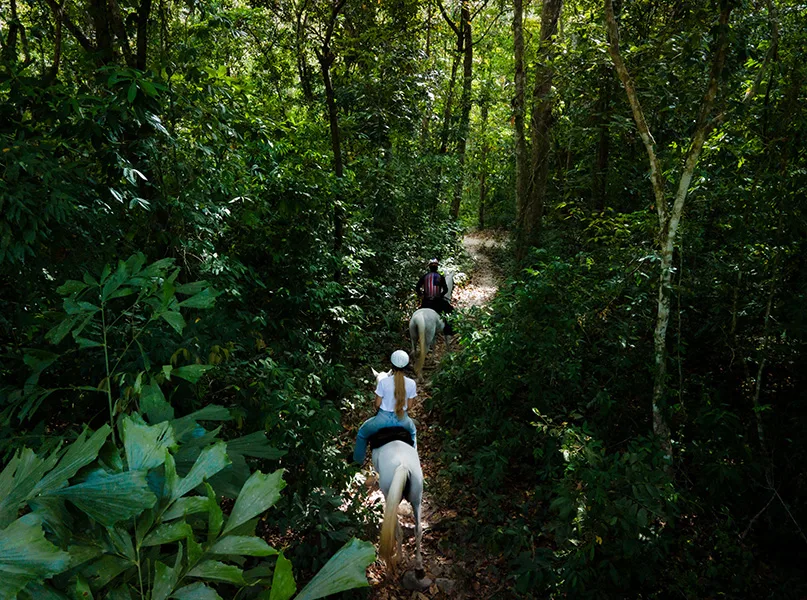
How does the authority meet the needs of modern travellers whilst also achieving cultural preservation?
WWZ: Interestingly, those two goals are no longer at odds. Today’s travellers are increasingly drawn to places with a strong sense of identity where culture is not staged but part of everyday island life. Our role is to support that by elevating local experiences, not replacing them.
This includes working with communities, supporting heritage-led initiatives, and ensuring that development respects context. In doing so, cultural preservation becomes part of the experience itself and something visitors can engage with meaningfully, rather than observe from a distance.
“Today’s travellers are increasingly drawn to places with a strong sense of identity where culture is not staged but part of everyday island life. Our role is to support that by elevating local experiences, not replacing them”
Waffa Wahida Binti Zainol, Tourism Manager, Langkawi Development Authority
Can you tell us more about LADA’s sustainability focus and the ways in which you are promoting eco-friendly travel?
WWZ: As a UNESCO Global Geopark, there is an inherent responsibility to protect what exists. This shapes how experiences are developed, partnerships are formed, and visitors are engaged.
We focus on encouraging low-impact travel, supporting conservation-led initiatives, and working with operators who prioritise environmental responsibility. At the same time, we aim to build awareness, helping travellers understand that preserving Langkawi is a shared responsibility.
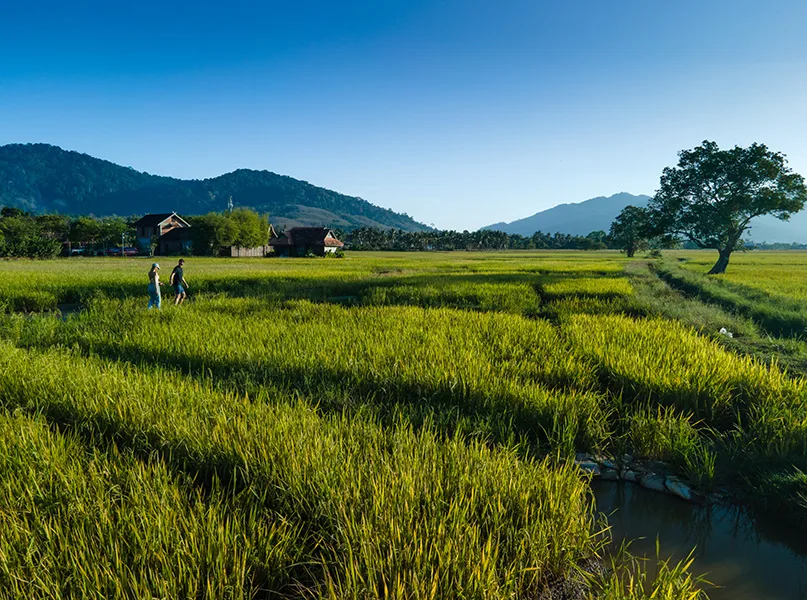
How is the authority promoting slower travel and encouraging visitors to fully immerse themselves in the culture through extended trips?
WWZ: We’re gently reframing what it means to ‘do’ Langkawi.
Instead of encouraging packed itineraries, we’re inviting travellers to stay a little longer, explore deeper, and experience the island at a more natural pace.
This could mean choosing to engage with local communities rather than moving quickly between attractions. Slower travel not only creates a more meaningful experience – it also allows the destination to breathe.
Finally, what are LADA’s plans for the next 12 months and are you optimistic about the future of tourism in the archipelago?
WWZ: Over the next year, our focus is on deepening what already makes Langkawi special – strengthening nature-led experiences, enhancing storytelling, and building partnerships that align with our long-term vision.
There is a clear global shift towards more conscious, experience-driven travel and Langkawi is well positioned for that.