



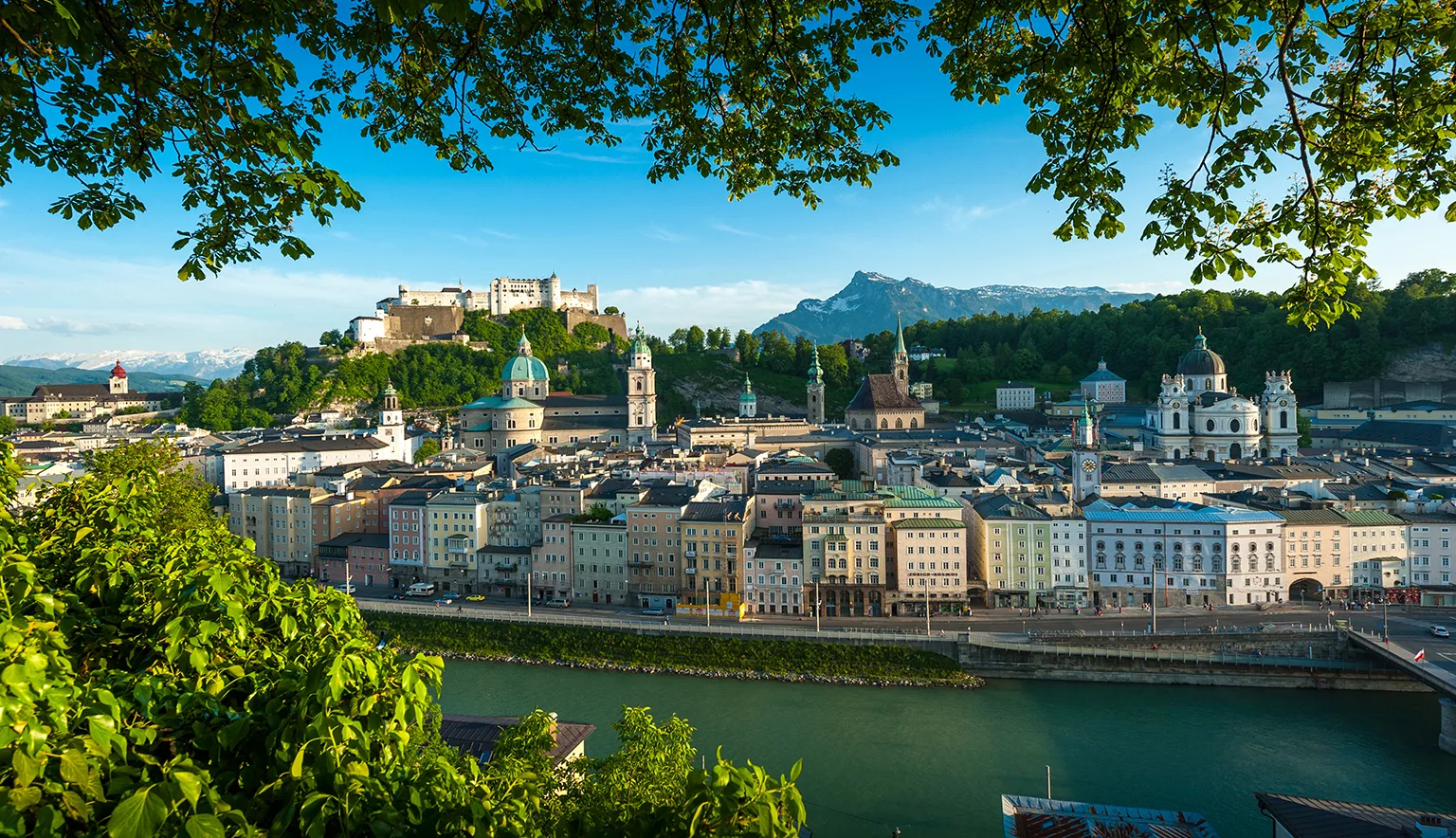

Salzburg is a complete artwork in its own right, famed as the birthplace of Wolfgang Amadeus Mozart and filming location for The Sound of Music.
SALZBURG
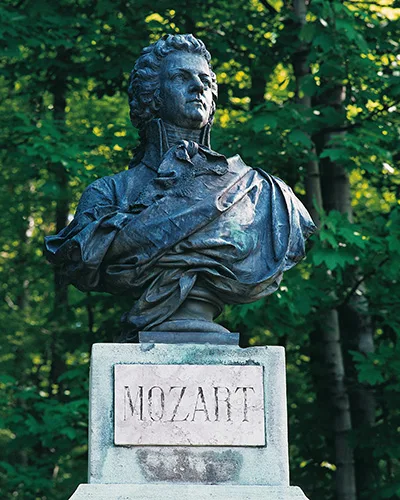
The life story of musical wunderkind, Wolfgang Amadeus Mozart, has its origins in Salzburg – Austria’s fourth-largest city.
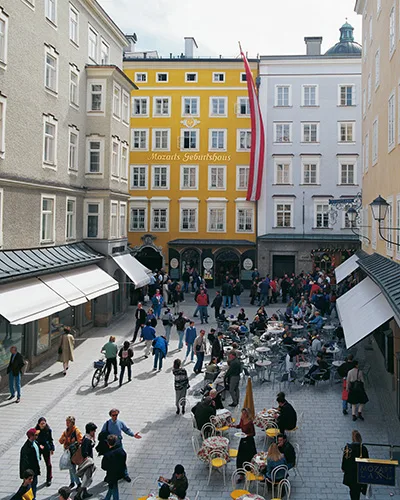
Born on 27th January 1756 in the bright yellow Getreidegasse 9, Mozart is widely considered one of the greatest composers of all time, having completed more than 800 works in his short 35-year life.
The house where Mozart was born is now one of the most-visited museums in Austria. In the three-storey exhibition, you can learn about the domestic circumstances he grew up in, when he began making music, his passion for opera, and much more.
Salzburg also sets the scene for The Sound of Music, which was released in 1965 and took the world by storm, earning five Oscars.
The film stars Julie Andrews and combines a powerful and moving story, first-rate music, and the city’s breathtaking scenery.
Hundreds of thousands of fans come to Salzburg every year to walk in the footsteps of the von Trapp family at the original filming locations.
A new museum dedicated to the legacy of The Sound of Music, set to open this year, will explore this enduring phenomenon and shed light on the true story of the von Trapp family.
Audiences are likewise captivated by the timeless allure of Jedermann, the legendary play at the heart of Salzburg Festival – amongst the world’s most prestigious cultural events, held since 1920.
The festival stands as one of the premier celebrations of classical music and drama. Each summer, Salzburg transforms into a grand stage, overflowing with cultural vibrance.
Aside from its world-famous cultural and musical highlights, Salzburg offers many other compelling and exciting reasons to make a trip.
Q&A WITH ANDREA MINNICH, MARKETING MANAGER, TOURISMUS SALZBURG
Salzburg is known as the ‘City of Mozart’, and this marks the 270th anniversary of the composer’s birth. We celebrate with Tourismus Salzburg and Andrea Minnich, Marketing Manager, who also highlights how to experience The Sound of Music, Salzburg Festival, and more.
Firstly, could you introduce us to Tourismus Salzburg and outline your vision?
Andrea Minnich, Marketing Manager (AM): Tourismus Salzburg is the official destination management and marketing organisation for the city of Salzburg.
Operating as Tourismus Salzburg GmbH and wholly owned by the city, we are responsible not only for promoting Salzburg worldwide, but also for shaping and managing key tourism infrastructure.
In addition to destination marketing, visitor services, and strategic partnerships with hotels, cultural institutions, and event organisers, Tourismus Salzburg also operates the Salzburg Congress convention centre and the municipal health spa (offering therapeutic and health treatments) with the city’s public indoor swimming pool.
Our overall vision is centred on quality tourism: creating meaningful, high-value experiences whilst maintaining a careful balance between visitors’ enjoyment and the everyday life of Salzburg’s residents.
We focus on sustainable mobility, preserving cultural heritage, and strengthening Salzburg as both a cultural capital and an international meeting destination. Salzburg is not just a place to visit – it’s a place to experience through music, history, innovation, wellness, and genuine Austrian hospitality.
What are some of the city’s most unique landmarks?
AM: The city’s unique character lies in the harmonious interaction between architecture and landscape.
Due to the unity and harmony of its cityscape – the exceptional coherence of its Baroque Old Town set amid breathtaking natural scenery and Alpine mountains — the entire historic centre of Salzburg was inscribed as a UNESCO World Heritage Site 30 years ago.
This recognition highlights the city’s outstanding universal value and the responsibility to preserve its architectural and cultural heritage for future generations.
Amongst Salzburg’s most iconic landmarks are:
- Hohensalzburg Fortress – One of the largest and best-preserved medieval fortresses in Europe, towering above the city and offering panoramic views over the Salzach River and surrounding mountains.
- Mozart’s Birthplace (Getreidegasse 9) – The house where Mozart was born in 1756, today one of Austria’s most-visited museums.
- Mozart’s Residence (Mozart-Wohnhaus) – Located on Makartplatz, this is where Mozart lived for several years with his family. Today, it houses an extensive exhibition about his life, works, and international influence.
- DomQuartier Salzburg – An impressive cultural complex that includes Salzburg Cathedral (Dom zu Salzburg) and the historic Residenz Palace, once the seat of the powerful Prince-Archbishops. Visitors can explore state rooms, galleries, and panoramic terraces offering unique views over the Old Town.
- Mirabell Palace and Gardens – A Baroque masterpiece famous for its geometric flowerbeds, sculptures, and as a filming location for The Sound of Music.
- St Peter’s Abbey and Cemetery – One of the oldest monasteries in the German-speaking world, founded in 696, with atmospheric catacombs carved into the Mönchsberg rock.
- Hellbrunn Palace and its trick fountains – A playful 17th-century pleasure palace with extraordinary water features that continue to delight visitors today.
Together, these landmarks create an architectural ensemble that is both historically significant and visually stunning – a city where culture and nature are inseparably intertwined.
Within the city, visitors can make use of the Salzburg Card, offering free admission to all sights and attractions, and public transportation for 24, 48, or 72 hours.
Why is Salzburg known as the ‘City of Mozart’?
AM: Salzburg is inseparably linked to Mozart, who was born here on 27th January 1756.
He spent his childhood and youth in the city, composing his first works, performing at the archiepiscopal court and in Salzburg’s churches, and developing the extraordinary talent that would later make him one of the greatest composers in history.
His birthplace in Getreidegasse and his later residence on Makartplatz remain places of pilgrimage for music lovers from around the world.
Mozart’s presence in Salzburg, however, is not confined to museums and concert halls – it is also alive in the city’s historic cafés, inns, and culinary traditions.
One can enjoy coffee at the traditional Café Tomaselli, where Mozart himself once sat. At the historic Sternbräu, visitors can savour hearty Austrian cuisine, including liver dumplings – said to have been amongst Mozart’s favourite dishes.
The restaurant K+K am Waagplatz also has a charming Mozart connection; according to tradition, the composer was friendly with the innkeeper’s daughter there.
And, of course, one should not miss tasting a glass of Stiegl beer — brewed in Salzburg since 1492 and already enjoyed in Mozart’s time.
We know many of these details because Mozart was a remarkably diligent letter writer. His extensive correspondence with family and friends gives us vivid insights into his daily life, preferences, humour, and culinary tastes.
No visit to Salzburg would be complete without trying the famous Original Mozartkugel. The authentic version can only be found in Salzburg at the traditional Café-Konditorei Fürst, where the confection was invented in 1890.
To this day, it is still handmade according to the original recipe by descendants of the founder, preserving a sweet tradition that has become world-famous.
Salzburg’s identity as the ‘City of Mozart’ is not only rooted in concert programmes and anniversaries, but in everyday life – its streets, flavours, stories, and living traditions.
A central institution preserving and promoting Mozart’s legacy is the Internationale Stiftung Mozarteum. Founded in 1880, the foundation is dedicated to the research, preservation, and performance of Mozart’s works.
It manages Mozart’s Birthplace and Mozart’s Residence, houses one of the world’s most important Mozart archives and collections, and organises the internationally renowned Mozart Week each January.
Through concerts, scholarly work, educational programmes, and digitisation projects, the Internationale Stiftung Mozarteum ensures Mozart’s music remains a living and evolving cultural force.

“Salzburg’s identity as the ‘City of Mozart’ is not only rooted in concert programmes and anniversaries, but in everyday life – its streets, flavours, stories, and living traditions”
Andrea Minnich, Marketing Manager, Tourismus Salzburg
This year marks the 270th anniversary of Mozart’s birth. How is Salzburg celebrating and what events can visitors look forward to?
AM: In 2026, Salzburg celebrates 270 years since the birth of Mozart, placing the city firmly at the heart of Europe’s musical life.
This special jubilee highlights Salzburg not only as Mozart’s place of birth, but also as a vibrant hub for music, culture, and tradition.
Throughout the city, visitors can trace his life and legacy, from Mozart’s Birthplace and Mozart’s Residence, including the fascinating exhibition on The Magic Flute, to interactive experiences such as the Mozartkugel Workshop, where guests can engage creatively with his life and work.
Mozart’s music will be at the very centre of the year’s festivals; his compositions will resonate in historic halls, churches, and open-air venues.
Guests can enjoy Mozart Dinner Concerts, which combine period cuisine with live Baroque music, as well as Fortress Concerts high above the Old Town and Mirabell Palace Concerts, bringing classical works to life in breathtaking Baroque settings.
These events, alongside the ‘Date with Mozart’ programme, offer intimate performances that recreate the sound world of Mozart and provide deep insight into his compositions and personal life.
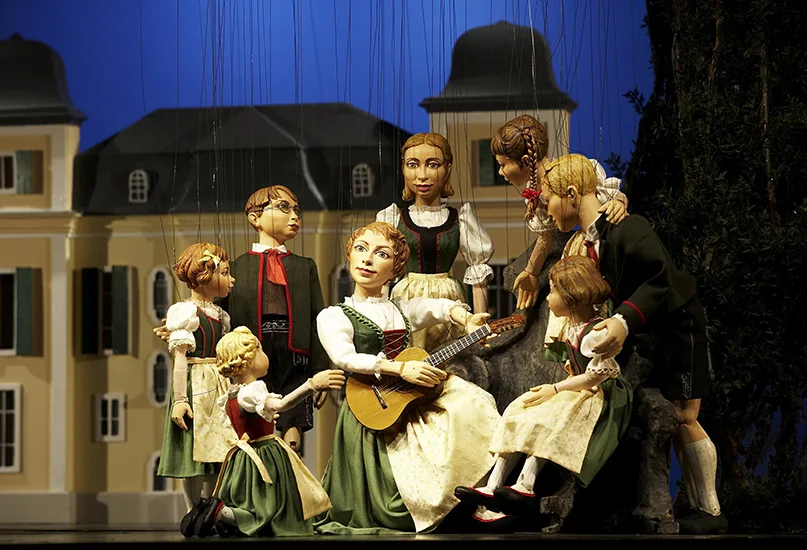
A special highlight will be the Salzburg Marionette Theatre, celebrating its 10th anniversary as an intangible UNESCO World Heritage Site in 2026. Here, the stage will come alive with an enchanting production of The Magic Flute, presenting Mozart’s work in a charming, lively, and highly accessible way.
Through these festivals, concerts, exhibitions, and workshops, Salzburg in 2026 offers an unparalleled opportunity to experience Mozart not only as a historical figure, but as a living presence whose music continues to inspire audiences worldwide.
How can tourists also experience ‘The Sound of Music’ in Salzburg?
AM: The Oscar-winning film The Sound of Music has become part of Salzburg’s cultural fabric since scenes were shot here in 1964, making the city a pilgrimage destination for film fans.
Visitors are often overwhelmed by how much Salzburg still looks like it did over 60 years ago when the movie was made – the same streets, gardens, and Alpine backdrop remain largely unchanged, creating a magical sense of stepping into the film itself.
Guests can explore the movie’s iconic locations and the real-life story of the von Trapp family through a variety of experiences:
- Guided tours – Including bus tours and walking tours, some with singing guides who bring the movie’s songs to life as you move through the city.
- Bicycle tours – Such as Fräulein Maria’s Bicycle Tours, offering a scenic ride to key filming locations whilst recounting stories from the film.
- Key locations – The Mirabell Gardens, Leopoldskron Palace, Gazebo in Hellbrunn, Kapitelplatz, and Stift Nonnberg are all must-see spots where famous scenes were shot.
- Culinary experiences – Enjoy The Sound of Music-themed menus at traditional restaurants or participate in cooking classes and create, for example, the classic crisp apple strudel, allowing visitors to taste the flavours of Austria in a fun, interactive way.
- Salzburg Marionette Theatre – Special The Sound of Music performances bring the film to life on the historic stage, delighting audiences with charming, miniature renditions of iconic scenes and music.
These experiences go beyond sightseeing – they immerse visitors in the musical, historical, and culinary traditions of Salzburg, whilst the city’s unchanged charm from 60 years ago creates an unforgettable, almost cinematic atmosphere.
“The Oscar-winning film The Sound of Music has become part of Salzburg’s cultural fabric since scenes were shot here in 1964, making the city a pilgrimage destination for film fans”
Andrea Minnich, Marketing Manager, Tourismus Salzburg
What about the Sound of Music Salzburg museum opening in mid-2026?
AM: A major new attraction will open in September 2026: the Sound of Music Salzburg museum, located in the historic Hellbrunn Palace complex.
This museum will be the first of its kind to explore the phenomenon of the film – from its conception to its lasting cultural impact.
Exhibits will cover the story of the von Trapp family, original film memorabilia, and the global reach of this Hollywood classic.
The Hellbrunn Palace grounds are also intimately connected to The Sound of Music. The gazebo in the palace gardens, where the song “16 Going on 17” was filmed, is part of the guided tours, giving visitors a direct link to the iconic scenes.
With its combination of film history, interactive exhibits, and the playful historical gardens, Hellbrunn Palace and the Sound of Music Salzburg museum will offer visitors a truly immersive experience, blending cinema, music, and Austrian cultural heritage in one unforgettable location.
Why else, in your opinion, should someone visit Salzburg in 2026?
AM: Beyond Mozart and The Sound of Music, Salzburg in 2026 offers a unique combination of cultural richness and seasonal events, making it an extraordinary destination throughout the year.
Visitors can enjoy world-class music, theatre, and art exhibitions, as well as vibrant festivals and celebrations.
Key seasonal events include:
- Easter Festival (Osterfestspiele), bringing top-tier orchestral and opera performances during the spring.
- Pentecost Festival (Pfingstfestspiele), offering a rich programme of music and theatre performances in historic venues.
- Jazz&TheCity, celebrating contemporary jazz across multiple venues and open-air stages in the summer.
- Christmas and Advent markets, filling the city with festive lights, crafts, culinary delights, and traditional holiday spirit during winter.
A highlight of 2026 will be the UNESCO World Heritage Museum, opening in June in the Mirabell Gardens, showcasing Salzburg’s exceptional heritage.
Amongst the exhibits, the Sattler Panorama stands out, offering visitors a breathtaking 360-degree view and deep insight into the city’s history, architecture, and cultural significance.
Salzburg also provides easy access to its surrounding Alpine landscapes and the scenic Salzkammergut region, ideal for hiking, cycling, and exploring charming lakes and villages.
Natural and historical highlights include the Salzbergwerk (salt mine) in Hallein, the towering Untersberg mountain, and countless Alpine vistas that frame the city’s skyline. These outdoor experiences perfectly complement the city’s rich cultural programme.
In addition, the Guest Mobility Ticket, which was introduced last May, is issued to all overnight guests by their accommodation, providing unlimited travel on Salzburg’s local buses and trains and allowing easy exploration of both the city and province of Salzburg without a car.
Finally, are you optimistic about the future of tourism in Salzburg?
AM: Absolutely, we are optimistic about the future of tourism in Salzburg. The city’s deep cultural roots, combined with its commitment to quality, sustainability, and visitor experience, make it a model for sustainable cultural tourism.
Ongoing investments in events, heritage sites, and new attractions demonstrate a forward-looking approach that honours tradition whilst welcoming future generations of visitors.
Internationalisation is a key focus for the coming years. Salzburg continues to strengthen its global appeal by attracting visitors from all continents, hosting international congresses at the Salzburg Congress, and promoting cultural exchanges through festivals and performances that showcase both Austrian heritage and world-class talent.
Strategic partnerships with airlines, tour operators, and cultural institutions ensure Salzburg remains accessible and visible on the international stage.
With its combination of history, artistic innovation, Alpine beauty, and modern infrastructure, Salzburg is well-positioned to remain a top destination for culture, business, and leisure tourism.
By embracing international visitors whilst preserving its unique character, Salzburg ensures the city continues to thrive as a vibrant, globally recognised cultural capital.
OUTLOOK RECOMMENDS
Eat:
FOR MOUTHWATERING TRADITION…
Discover all-day indulgence, surrounded by a soothing ambiance and warm hospitality, in the heart of Salzburg’s Old Town at Gasthof Goldgasse.
The restaurant combines fine delicacies and stylish fine dining with traditional craftsmanship and a modern twist.
High-quality, seasonal, and locally sourced ingredients are always at the forefront of Gasthof Goldgasse’s menus.
FOR FINE DINING ABOVE THE ROOFTOPS…
In the stylish ambiance of The Glass Garden Restaurant, you will experience culinary excellence at the highest level.
Crowned with a Michelin star and four Gault&Millau toques, the restaurant combines the finest gastronomy with one of Salzburg’s most spectacular panoramic locations.
Beneath the unique glass dome, you can expect not only an unparalleled view of the Old Town but also a space of extraordinary aesthetics. The centrepiece – Chrysolite Aqua Tower, a hand-blown sculpture by American glass artist Dale Chihuly – is a work of art that harmoniously combines elegance and modernity.
Do:
FOR ART AND CULTURAL HISTORY…
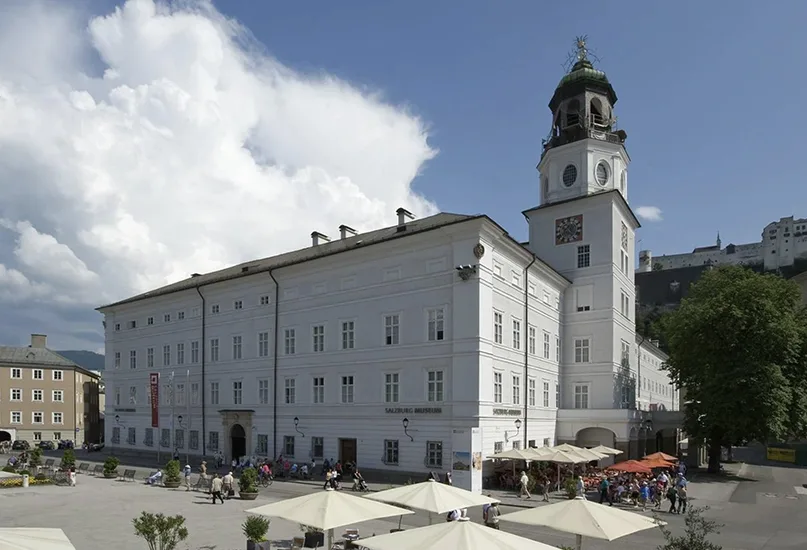
Founded in 1834, Salzburg Museum is the oldest existing and most comprehensive museum dedicated to the art and cultural history of Salzburg.
Discover art, culture, and history with engaging exhibitions, educational programmes, and inclusive museum experiences.
Salzburg Museum sees itself as a place of encounter, exchange, and reflection on the past, present, and future. It is currently closed but scheduled to reopen in 2027 together with the new dependence of the Viennese Belvedere.
FOR A MARIONETTE MUSICAL…
The Salzburg Marionette Theatre has been enchanting its audiences since 1913 with performances of fairy tales and operas, including works by Mozart.
The theatre’s marionette stage version of The Sound of Music, with its immortal melodies, holds enormous appeal for all ages.
Sleep:
FOR PURE VACATION BLISS…
Peace and relaxation await at Hotel Berghof St. Johann in Salzburg (Hotel Berghof), which offers everything your heart desires to unwind and recharge your batteries.
Whether it’s a room with breathtaking mountain views, direct access to the ski area, or hikes through unspoiled nature, this 4-star hotel offers a unique vacation experience.
Immerse yourself and switch off in the spacious Berghof Wellness and Spa with pools, saunas, and professional treatments.
The hotel’s new Rooftop Spa Adults Only also offers special relaxation in the midst of the mountains, including an impressive infinity pool with 360-degree panoramic views.
FOR THE AMADEUS OF 5-STAR ACCOMMODATION…
Hear the music and experience the history of Mozart’s hometown at Hotel Sacher Salzburg.
It has a total of 110 uniquely designed and comfortably furnished rooms and suites. Some of the rooms have a balcony with a wonderful view of Salzburg’s Old Town and Hohensalzburg Fortress.
SALZBURG FESTIVAL IN FOCUS
Salzburg Festival is one of the world’s most prestigious cultural events, bringing together the finest performers in opera, concert music, and theatre each summer.
Founded in 1920, its mission has always been to present art at the highest level against the stunning Baroque backdrop of Salzburg’s historic centre.
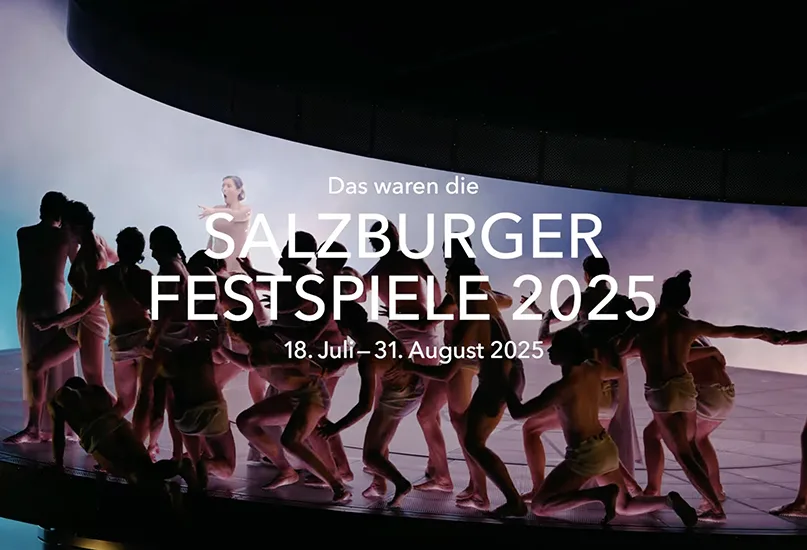
From 17th July to 30th August 2026, Salzburg will once again transform into a world-class performance venue. The festival combines great music with bold, creative productions and internationally acclaimed artists.
Amongst the highlights, Asmik Grigorian will take on the central role of the passionate outsider in Carmen, bringing new intensity to Georges Bizet’s iconic opera.
Richard Strauss’ Ariadne auf Naxos will also be presented in a striking new production set on Mars – placing the mythological drama into an unexpected, futuristic context.
In the drama section, Philipp Hochmair returns as Jedermann, Salzburg’s most iconic theatre figure. In this new interpretation, his life is profoundly shaped by three newly introduced female characters, adding fresh psychological depth to the classic play.
Naturally, Mozart’s works will hold a central position in the programme. Highlights include the opera Così fan tutte and the celebrated Mozart Matinees, which have long been a core pillar of the festival’s musical identity.
A special highlight accompanying the festival is the Siemens Festspielnächte on Kapitelplatz. Selected performances are shown free of charge on a giant open-air screen in outstanding quality.
Surrounded by Salzburg Cathedral and Hohensalzburg Fortress, visitors can enjoy opera and concert highlights under the summer sky. Guests may also reserve a table in the adjacent gastronomy area and experience the performances with fine food and a glass of wine.
Importantly, Salzburg Festival is only one part of the city’s vibrant cultural landscape. Salzburg hosts more than 4,000 events per year, ranging from classical concerts and jazz festivals to congresses, contemporary art exhibitions, traditional celebrations, and international sporting events.
This remarkable density and diversity of cultural programming reinforce Salzburg’s identity as a city where culture is not confined to a single season but lived throughout the year – a spirit captured in the city’s logo and wordmark, ‘Stage of the World’, expressing the idea that Salzburg itself becomes a stage all year round.
LANDMARK ATTRACTIONS
Salzburg Cathedral
Of the city’s numerous churches, Salzburg Cathedral is the most important sacred building. With its mighty dome and two towers, the cathedral leaves a distinctive and impressive stamp on the Salzburg skyline. There is much to discover here – the baptismal font, the crypt, the ‘Vanitas’ art installation, or the reliquary shrine containing the bones of Saints Rupert and Virgil.
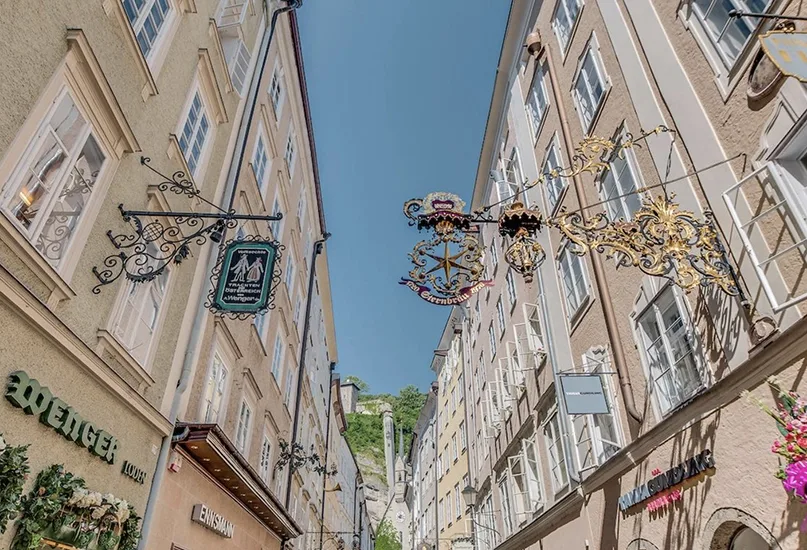
Getreidegasse
The bustling heart of Salzburg’s Old Town has unmistakable charm. Houses in the Getreidegasse are characterised by their beautiful doorways and windows that become steadily smaller from the first floor up. Mozart’s Birthplace is a magnet for tourists, but above all, the Getreidegasse draws visitors with its wide selection of international fashion chains, traditional inns, and dining spots.
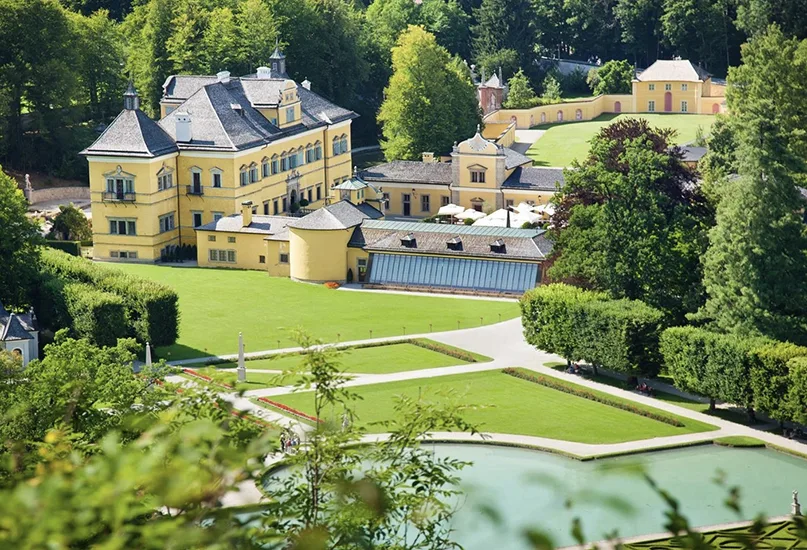
Hellbrunn Palace
For more than 400 years, visitors have been enchanted and amazed by Hellbrunn Palace and its unique trick fountains – a spectacle beyond compare. Guests might catch a few drops but certainly won’t get drenched! Built in the 17th century, Hellbrunn Palace is a place for celebration, pleasure, and recuperation – just like Prince-Archbishop Markus Sittikus intended.
GETTING THERE AND AROUND
Lying in the heart of Austria and centre of Europe, many paths lead to the ‘City of Mozart’ – whether by air, rail, or car, Salzburg couldn’t be easier to reach.
Salzburg Airport (SZG), the second-largest airport in Austria, welcomes direct flights from several countries and numerous airlines, including British Airways from London Gatwick Airport (LGW) in the UK.
SZG is conveniently located just four kilometres from the historic city centre, which can be reached in just 15 minutes by bus or taxi.
A mobility fee has been introduced in Salzburg, but in return, all overnight guests in Salzburg are issued with the Guest Mobility Ticket, which allows you to enjoy free, unlimited access to public transport from the moment you arrive and for the entire duration of your stay.
The Guest Mobility Ticket grants access to a modern, well-connected bus and train network, ensuring comfortable and convenient travel to the most beautiful attractions in Salzburg.
By choosing public transport, you can also enjoy an eco-friendly vacation and actively contribute to reducing carbon dioxide (CO₂) emissions.
You will receive the Guest Mobility Ticket electronically as a mobile wallet pass or PDF either at check-in or pre-check-in at your accommodation.
Salzburg Hauptbahnhof is the city’s main railway station and the most important transportation hub in Western Austria, with numerous national and international connections.
Alternatively, Salzburg is highly walkable, with most major sights in the Old Town and along the Salzach River reachable on foot and various themed city walks available.