

The mission of the Gauteng Tourism Authority is to develop, promote, coordinate and facilitate responsible and sustainable tourism in the Gauteng global city region, and to create a world-class destination that attracts business visitors and all other tourists to the province, benefits its people, and contributes to job creation and economic growth. We sit down with Barba Gaoganediwe, Head of Destination Marketing and Communications.
Q&A WITH THE GAUTENG TOURISM AUTHORITY
Firstly, could you introduce us to the authority and describe where tourism finds itself today in SA?
Barba Gaoganediwe, Head of Destination Marketing and Communications (BG): Today, SA’s tourism landscape has been transformed from a propaganda machine that once promoted experiences for only a privileged few – under apartheid, many spaces and places were inaccessible to the majority of the population.
The Urban Areas Act, for example, made it impossible for people of colour to be in central business districts after certain hours without permits. Tourism in those years, when SA was isolated by the world because of its apartheid policies, was therefore entirely different from what it is today.
At the same time, the legacy of apartheid still lingers. Amongst the many sectors that make up the nation’s economy, tourism, travel, and hospitality remain some of the least transformed.
However, as SA reopened to the world, rejoined the global community, and adopted transformative policies, the tourism landscape had to recalibrate. Those who were already active in the sector were not removed, but it became necessary to introduce transformation policies that would bring into the mainstream those who had previously been excluded.
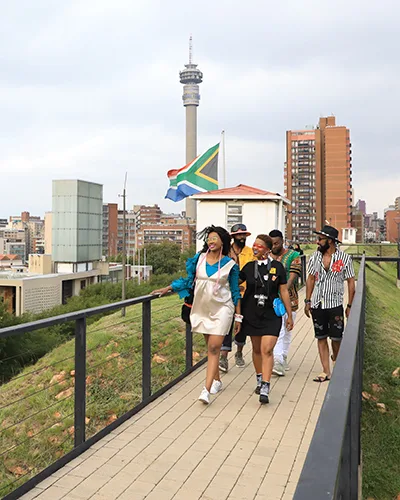
This has also changed how places are understood. Areas that were once seen simply as places where people lived and slept, such as Soweto, Atteridgeville, and Mamelodi, are now recognised as rich centres of cultural expression.
Modern travellers are increasingly drawn to these kinds of experiences. The days when tourism was driven only by beaches, wildlife, and mountains are gone. Today, people and culture are central to the travel experience.
Is this also the case for Gauteng as a vital part of SA’s tourism offering?
BG: This is particularly important in Gauteng. Although it is the smallest province by landmass, it is the largest by economic value, contributing just under a third of SA’s GDP and almost eight percent of Africa’s GDP.
If Gauteng were a country, it would rank amongst the largest economies on the continent. For that reason, South African tourism cannot grow without Gauteng playing a central role. The province may not have extensive coastlines or mountain ranges, but modern tourism is increasingly driven by people, and with a population of around 16.5 million, Gauteng sits at the heart of the South African travel experience.
The province accounts for more than 55 percent of all international arrivals into SA and we have now crossed the 10 million international arrivals mark again after several years of setbacks caused by the COVID-19 pandemic and wider global economic and geopolitical instability.
SA also remains a compelling value-for-money destination. Favourable exchange rates, combined with a growing portfolio of high-quality experiences, continue to make the country attractive to international visitors.
Additionally, whereas Gauteng was once mainly a transit point for travellers heading on to Kruger National Park or Cape Town, average stays have increased from around nine days to 13 – evidence that Gauteng is increasingly being experienced as a destination in its own right, where people can work, stay, and play.
So, despite the setbacks caused by the COVID-19 pandemic, slow economic growth, and global conflict, the South African tourism landscape remains healthy and full of opportunity.
The authority describes Gauteng’s townships as the essence of the location and its heart and soul, can you elaborate on this?
BG: You cannot talk about Gauteng’s tourism experience without talking about its townships. They are the heart and soul of the province, and they are where most of our 16.5 million residents live. Soweto alone has a population of more than three million, larger than some entire countries, and it remains central to the story of SA.
Visitors today are not only looking for monuments – they want to meet people, experience culture, and understand how communities live, create, and celebrate.
Places such as Atteridgeville, Mamelodi, and Sharpeville deserve much more attention in that regard. They carry deep historical memory, but they are also places of energy, creativity, and economic potential.
They show how Gauteng’s visitor offering extends well beyond its best-known attractions and into communities that continue to shape the province’s identity in real and meaningful ways.
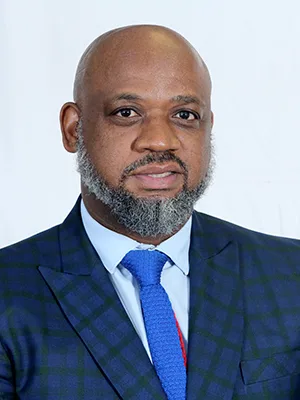
“Visitors today are not only looking for monuments – they want to meet people, experience culture, and understand how communities live, create, and celebrate”
Barba Gaoganediwe, Head of Destination Marketing and Communications, Gauteng Tourism Authority
What role does the authority play in growing Gauteng and SA as tourist destinations?
BG: We understand that our role extends beyond the province itself. Our responsibility is to ensure that Gauteng grows strongly enough to help propel SA’s wider tourism growth. Because of the province’s economic weight and contribution to national GDP, its performance matters to the whole country.
With the adoption of the national Tourism Growth Partnership Plan and the Gauteng Economic Growth and Development Plan, which identifies tourism and hospitality as one of 12 key sectors, we believe we are moving in the right direction and are back to pre-pandemic levels of tourism.
Through structural reform and resilience, we can now see a pathway towards 15 million international arrivals for SA overall, with Gauteng playing a crucial role in that growth.
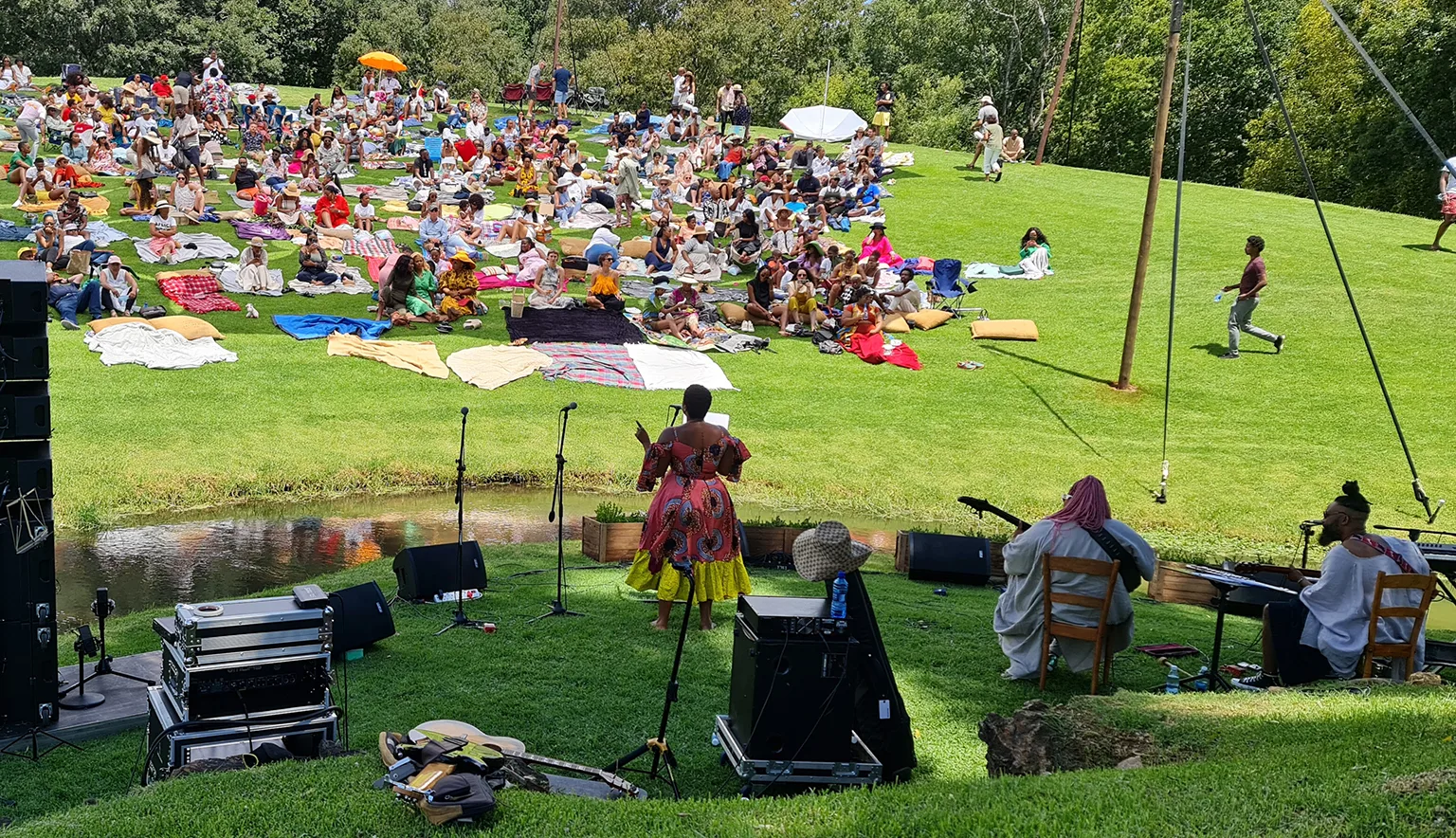
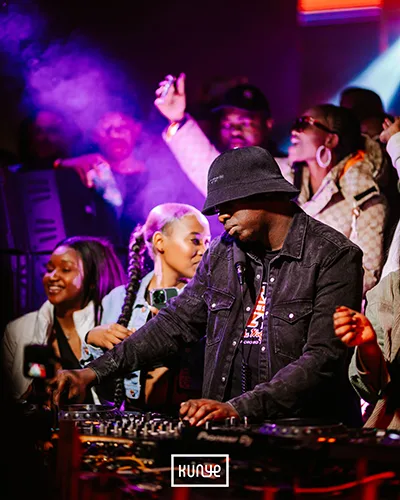
As people visit us, whether as sports teams, cultural groups, or entertainment artists, we now have the capability to play host to them at a very high level. Over the past few months, we have seen many international acts on world tours include Johannesburg and Pretoria in their schedules. That is not a coincidence.
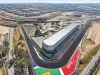
It reflects a deliberate strategy of bidding for and hosting major events, whilst reusing the infrastructure built for the 2010 FIFA World Cup and other large sporting occasions to stage high-quality events for internationally renowned performers.
That gives you a sense of the 360-degree approach we are taking. We use sport and entertainment not only to attract attention, but also to confront challenges directly.
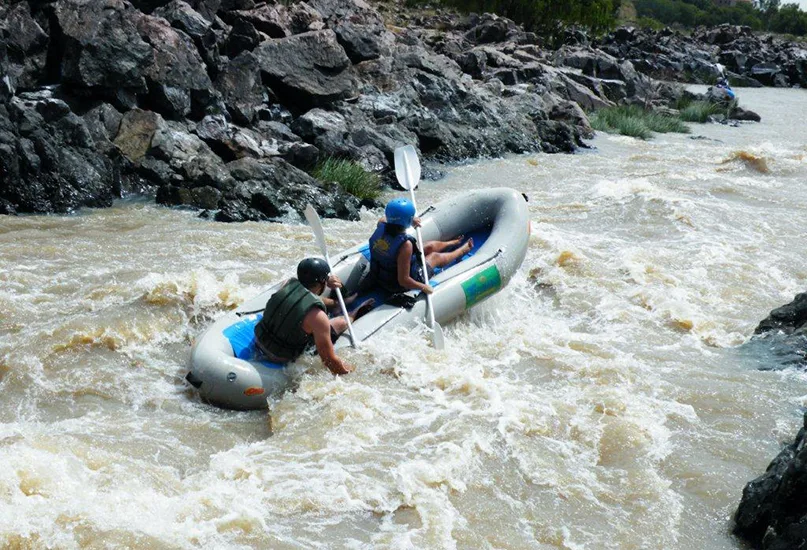
“We helped deliver what FIFA have, and many pundits still, declare as one of the greatest, most iconic World Cups ever, for SA, in 2010”
Barba Gaoganediwe, Head of Destination Marketing and Communications, Gauteng Tourism Authority
Finally, what are you most proud of in terms of the legacy that the authority has created so far?
BG: We’re proud to say that we’ve contributed towards a coherent African tourism agenda, but we also think we can do even better than what we have done over the last decades.
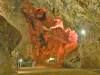
As well as this, we’ve been helping the preservation of the Cradle of Humankind World Heritage Site, continuing to preserve this wonder for the rest of the world and use its content, findings, and discoveries to tell the story that humanity started right here on the African continent.
This hard work has led to the ‘Out of Africa’ concept, theorising that most human ancestors originated from one general spot within Africa.
We are really proud of playing a key role in being an integral part of the 2002 World Summit on Sustainable Development at a time when sustainable development was not even on the lips of anyone.
Elsewhere, we helped deliver what FIFA have, and many pundits still, declare as one of the greatest, most iconic World Cups ever, for SA, in 2010.