


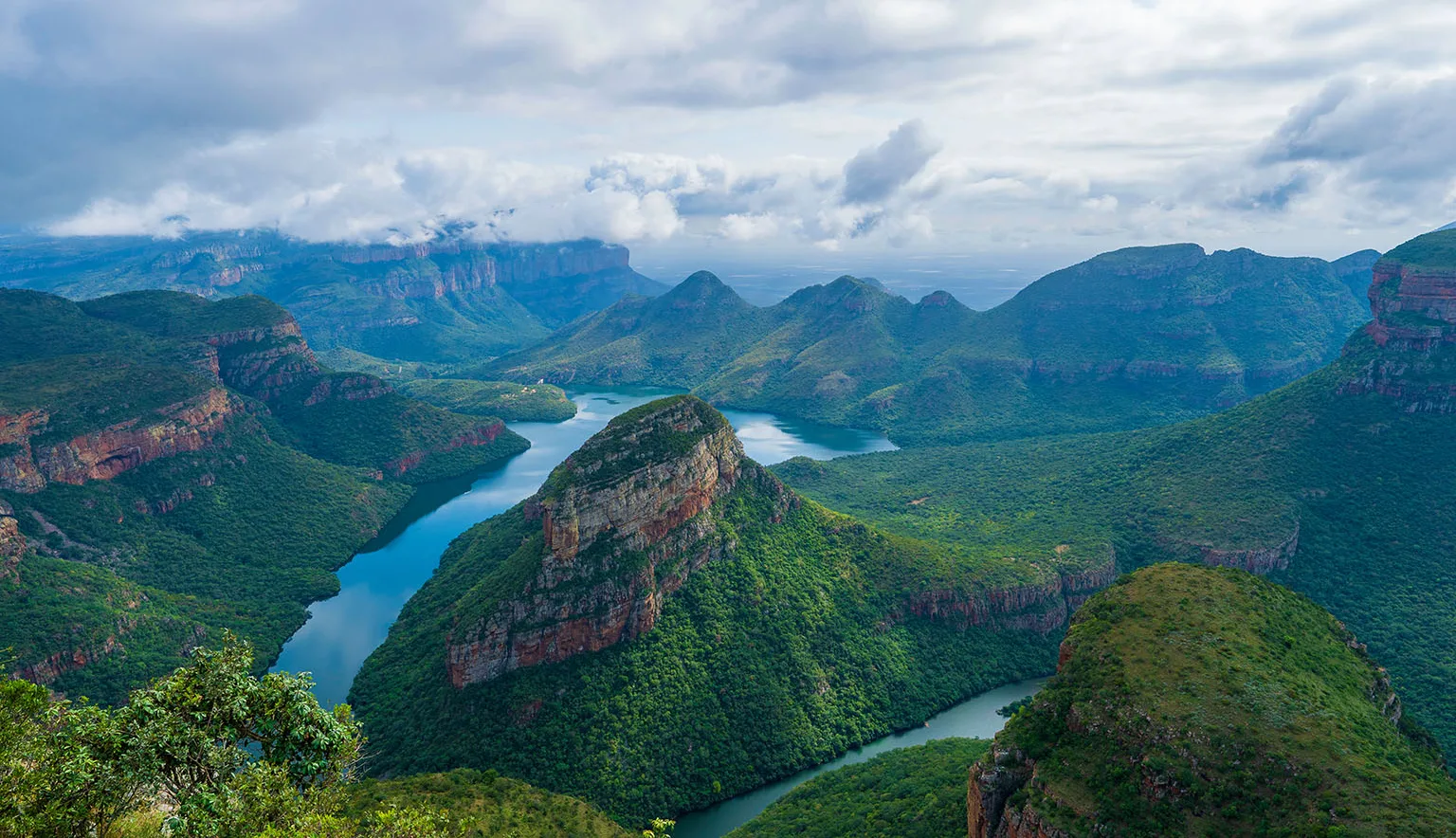
Known as ‘The Place of the Rising Sun’, Mpumalanga transcends other provinces in South Africa by offering an Edenic, heavenly natural paradise, comprising some of the world’s largest nature reserves and breathtaking mountains that are truly one-of-a-kind.
MPUMALANGA
From the swooping and darting movements of hundreds of endemic bird species to the majestic mammals that roam the verdure below, Mpumalanga is the beating heart of the unwaveringly beautiful South African wilderness.
Positioned in the east of the country, the province has everything intrepid explorers, nature lovers, and history enthusiasts alike desire in a destination.
Indeed, the Highveld region is a heritage haven, whilst the Midveld and Lowveld offer stunning natural scenery and breathtaking views – all divided by dramatic escarpments that act as bridges between the heavens and Earth.
Mpumalanga’s lush, sweeping landscape offers a geographically diverse mosaic of national parks, the most famous being Kruger National Park – one of the largest and oldest game reserves in the whole of Africa where, if you’re lucky enough, you can catch a glimpse of the Big Five as they bask in the sun.
Equally boasting an undulating carpet of foliage is Blyde River Canyon – the world’s third-largest canyon, where explorers can hike across subtropical flora or venture deep into its many corners on a boat cruise, ideal for witnessing the sun break through the forest canopy.
Like a central channel weaving through some of Mpumalanga’s most astounding sites, the scenic Panorama Route lets you travel through world-famous nature reserves and intriguingly rugged escarpments, such as the astonishing God’s Window, serene waterfalls, and so much more.
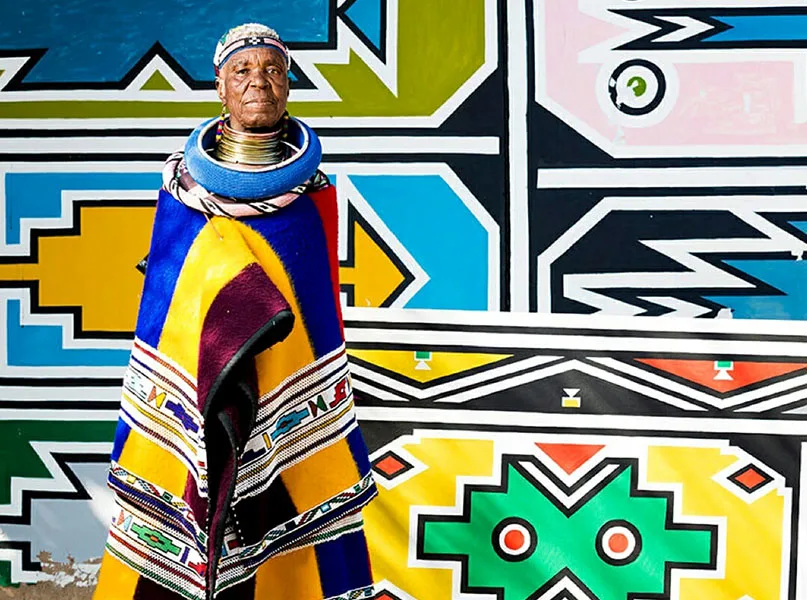
Not just geographically diverse, Mpumalanga holds a rich cultural tapestry woven together by an abundance of customs and traditions. Home to Swazi, Pedi, Ndebele, Tsonga, and Afrikaner populations, the province also offers the opportunity to explore vibrant and celebrated Southern Ndebele culture, whose vivid arts are enjoyed through elaborate mural painting, intricate beadwork, and unmistakable warmth.
The Highveld Heritage Route, which weaves through 14 of the province’s most culturally and historically significant towns, equally offers the perfect opportunity for cultural immersion. Starting in Ermelo – which provides a fascinating insight into South Africa’s (SA) liberation struggle – explorers can bear witness to Mpumalanga’s most standout attractions in history, from the Bakoni Ruins to the traditional Swazi village of Oshoek.
If you’re looking for an otherworldly and diverse destination that makes you feel like you can touch the sky, be in arm’s reach of the world’s most magnificent animals, and bask in the beauty of the natural world, Mpumalanga is the perfect place for you.
Q&A WITH LEMMY MDLULI, ACTING CEO, MPUMALANGA TOURISM AND PARKS AGENCY
Established to forge a path for the sustainable development of the province’s tourism industry, the Mpumalanga Tourism and Parks Agency is deeply committed to the conservation management of the region’s natural resources and ensuring the sector continues to be a catalyst for economic growth.
Lemmy Mdluli, Acting CEO, highlights some of Mpumalanga’s top spots and the agency’s efforts in the growth of this geographically diverse destination.
Firstly, can you talk us through the origins of the Mpumalanga Tourism and Parks Agency and its founding vision?
Lemmy Mdluli, Acting CEO (LM): The Mpumalanga Tourism and Parks Agency (MTPA) was established on the 1st April 2006 under the Mpumalanga Tourism and Parks Agency Act, 2005 (Act No. 5 of 2005).
The agency was created as a result of a merger between two separate entities – the Mpumalanga Parks Board and Mpumalanga Tourism Authority – with a vision to make the province a world-class tourism and wildlife economy destination.
The entity also aims to be a leading conservation agency and tourism authority by ensuring sustainable development.
Known as ‘The Place of the Rising Sun’, how does Mpumalanga stand out from other South African provinces?
LM: ‘Kuphuma kwelanga’ means ‘rising sun’ in Nguni. Mpumalanga is one of the preferred tourism destinations in the country due to its unique offerings such as scenic beauty, wildlife, adventure, culture, and heritage experiences.
The province is also strategically located, allowing tourists to visit our neighbouring countries like Eswatini and Mozambique.

How do you market Mpumalanga as a geographically diverse destination?
LM: Mpumalanga is a province in SA endowed with natural attractions and experiences bound to astound any traveller.
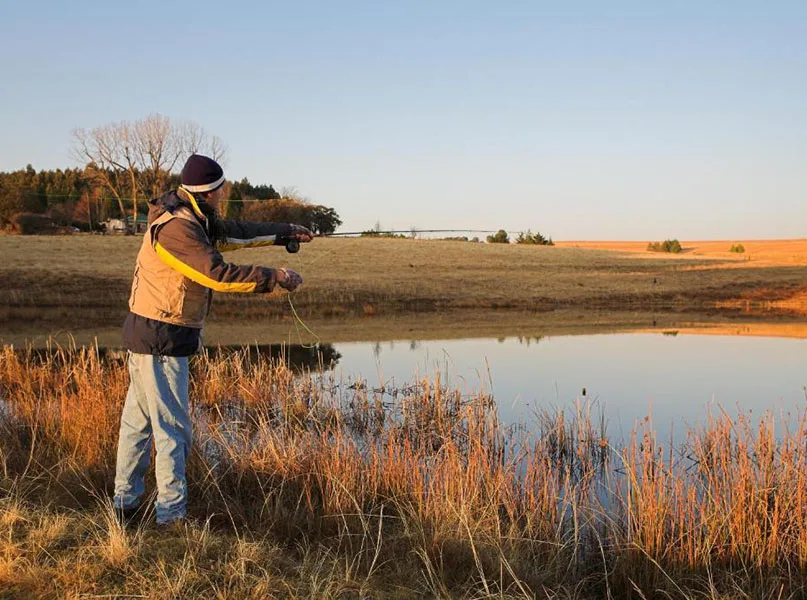
It offers an array of activities ranging from abseiling, white-water river rafting, fly-fishing, paragliding, mountain biking, bungee jumping, hiking, and 4X4 trails, to name a few.
Mpumalanga is undoubtedly the ultimate destination in terms of wildlife experience. Kruger National Park, Sabi Sands Game Reserve, and other reserves dotted throughout the province offer an exhilarating and unequalled experience that brings visitors close to nature. Kruger National Park, in particular, boasts a conservation area spanning two million hectares, rich with flora and fauna.
The Panorama Route along the Lowveld escarpment offers spectacular landscapes with attractions like the Blyde River Canyon, majestic waterfalls, and high-altitude scenic drives leading to places including God’s Window, Bourke’s Luck Potholes, and the Three Rondavels.
The province also boasts a rich heritage, which is largely unexplored. The myriad historical sites include the Samora Machel Monument near Mbuzini and the Barberton Makhonjwa Mountains – a UNESCO World Heritage Site with rock formations dating back more than 3.5 billion years.
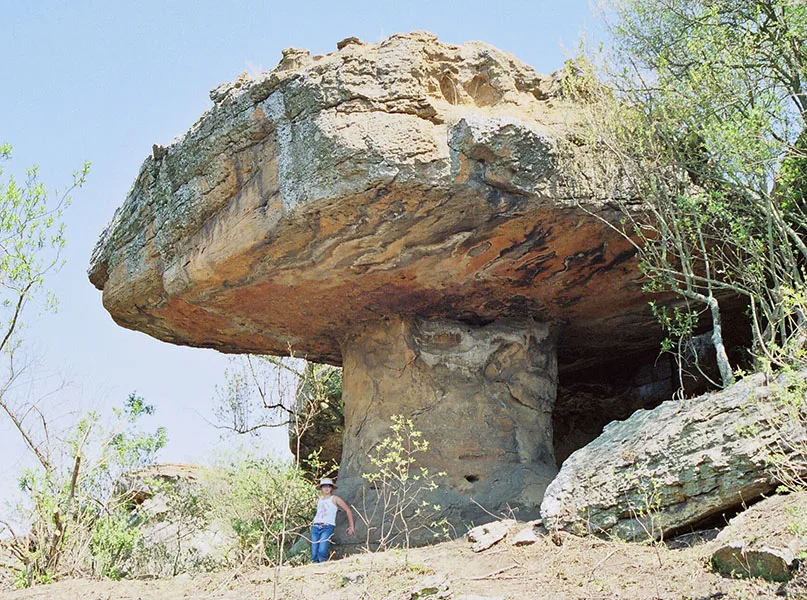
Other sites not to be missed are the mining village of Pilgrim’s Rest, the Highveld Heritage Route abound with adventurous tales into history, and the stone circles of Mpumalanga, to name just a few.
Bird watchers can catch a glimpse of more than 500 different endemic birds in the Kruger National Park or the Chrissiesmeer area in the southern part of the province.
The Midveld region offers trout fishing opportunities in pristine rivers and dams, with Dullstroom referred to as SA’s trout-fishing Mecca.
The Southern Ndebele culture in the Highveld region, meanwhile, boasts artistic icons like Dr Esther Mahlangu who have managed to preserve, package, and export the colourful culture to international countries.
Mpumalanga is also an ideal golf destination with many world-class golf estates and courses providing sheer enjoyment of the game in complete serenity.
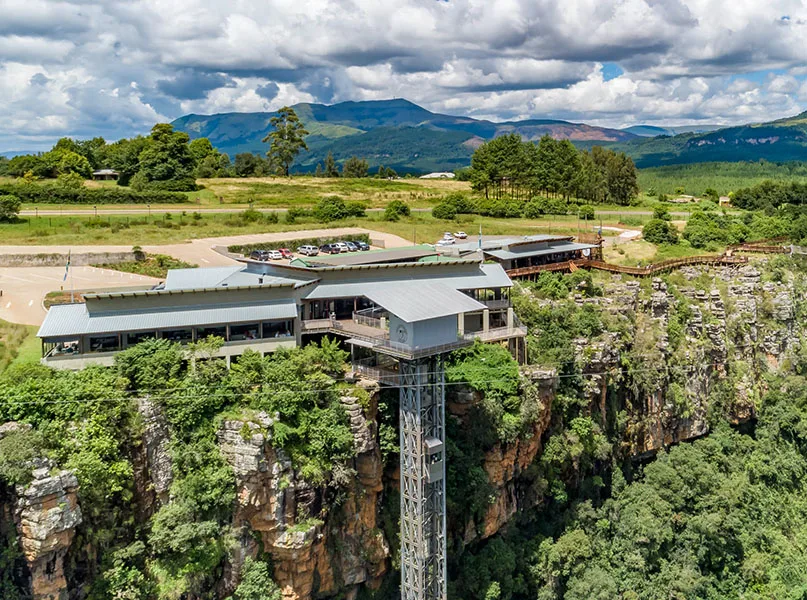
Can you tell us more about the organisation’s focus on infrastructure development across the province and how this will diversify Mpumalanga’s tourism offering?
LM: The entity is embarking on an infrastructure development drive to enhance the visitor experience and ensure tourists have a memorable time when visiting the vast tourism attractions in the province.
One of the major initiatives is the construction of the multi-million-rand Skywalk project which, once complete, will allow visitors to experience one of SA’s most iconic vistas in an entirely new way.
Located at the zenith of Mpumalanga’s Panorama Route, God’s Window offers visitors a vast view of the Lowveld and more than 900 metres (m) down into a lush indigenous forest-clad ravine. On a clear day, you can see as far as the Indian Ocean and Maputo, Mozambique.
The Skywalk will be a cantilevered glass walkway suspended off the edge of the cliff to give visitors a 360-degree panoramic view. The walkway will protrude about 12 m from the cliff and will be about five m wide.
The Skywalk is designed to be a global iconic attraction with a number of activities on-site, including a sky bridge, sky swing, zero-gravity room, and a conference and meeting facility. The plan is for a significant part of the activities to be run by local young people from the area.
How does MTPA maintain a balance between cultural preservation and modern-day tourism offerings?
LM: The entity continues to balance cultural preservation with modern travel needs through sustainable community-based tourism, achieved by integrating local heritage into economic activities and ensuring there are strict conservation, environmental, and cultural management regulations. This promotes authentic, community-led initiatives such as cultural villages and storytelling.
Home to an abundance of nature reserves and national parks, how best can travellers have an immersive wildlife experience in Mpumalanga?
LM: Tourists can enjoy an immersive wildlife experience through guided bush walks in the Manyeleti Game Reserve, which are conducted on foot with experienced field rangers, allowing visitors to connect with nature in a unique way by observing wildlife outside of a safari vehicle.
Travellers can also prioritise staying at other private game reserves dotted along the province for exclusive, off-road, and guided game drives. By combining this with walking safaris and exploring some of the scenic routes, travellers will have a memorable game-viewing experience and see breathtaking, diverse landscapes.
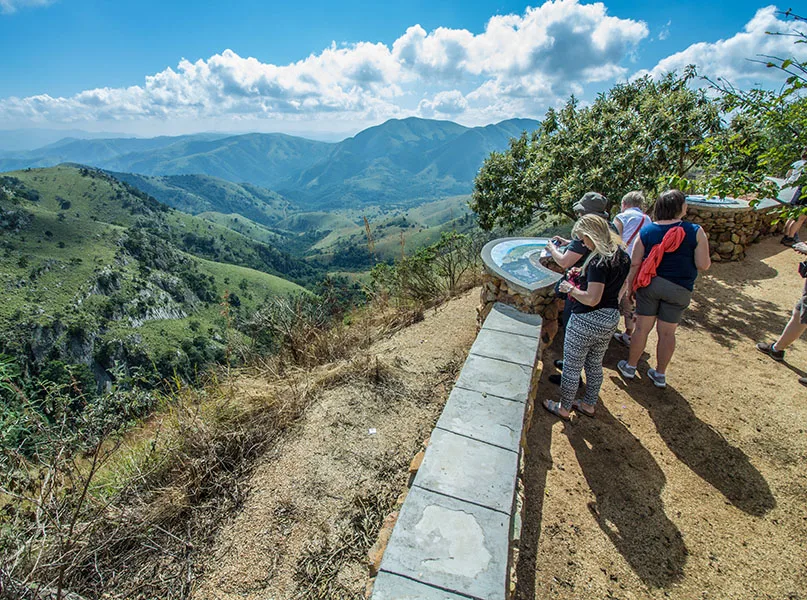
The Barberton Makhonjwa Geotrail, whilst primarily focused on geology, winds through the reserve’s most scenic elevations. It provides vantage points to encounter high-altitude flora and fauna like the Mountain Reedbuck antelope and the rare Protea curvata and Gerbera jamesonii plant species, which are found nowhere else on Earth.
Birding safaris are unmatched in Barberton Nature Reserve, as the land transitions from Lowveld bush to high-altitude grassland, meaning you can spot a vast range of species. It is best to hire a local guide who can grant access to restricted birding hotspots not usually open to the public.
For adventure-based viewing and those who want to get off the beaten path, local operators – such as Barberton Adventures – offer guided quad-biking and 4×4 tours. These allow travellers to reach remote corners of the reserve, such as the Kwena Dam or the historical ruins of Eureka City, where wildlife often congregates away from human traffic.
Can you tell us more about your biodiversity initiatives and how the agency is prioritising sustainable development and conservation?
LM: The entity is working closely with private sector partners, such as the Greater Kruger Environmental Protection Foundation (GKEPF), to ensure protected areas under MTPA’s management are secured.
The GKEPF provides technical support to MTPA, particularly in anti-poaching initiatives. The foundation assists the entity by removing snares in nature reserves, especially in Manyeleti Game Reserve, conducting aerial surveillance using drones, and repairing damaged perimeter fences. In addition, GKEPF has made funding available for the erection of fences in certain areas managed by MTPA to ensure they are protected and properly secured.
Conservation efforts have shifted from solely managing animals to protecting the Archaean rock exposures – some of the oldest and best-preserved volcanic rocks on Earth found at the Barberton Makhonjwa Mountains.
Through a partnership with the Care for Wild Rhino Sanctuary, MTPA additionally supports the protection and rehabilitation of orphaned rhinos.
MTPA is also implementing the National Government Wildlife Economy Programme, donating excess game to historically disadvantaged communities. This programme aims to redress the historic exclusion of previously disadvantaged individuals from the game farming sector by creating opportunities for the increased participation of local communities and emerging game farmers in the wildlife industry.
It will also provide mechanisms for the transparent and equitable supply of founder herds and raise awareness for conservation, protected area management, and sustainable utilisation principles in the wildlife industry.
What would you recommend to travellers who wish to go off the beaten path and see the hidden wonders of Mpumalanga?
LM: The province has natural attractions that offer travellers an array of activities ranging from scenic beauty, adventure, wildlife, culture, and heritage. Some of the interesting hidden wonders include hiking at the Blyde River Canyon – the deepest green canyon in the world; visiting some of the authentic cultural villages around the province; birdwatching at Wakkerstroom and Chrissiesmeer; rock climbing at Emgwenya, formerly known as Waterval Boven; visiting some of the archaeological sites; and exploring the Sudwala Caves, containing the oldest dolomite caves in the world.
What challenges does the tourism industry in Mpumalanga face and how is MTPA working to overcome them? Are you optimistic for the future?
LM: MTPA recently experienced flooding in some of the nature reserves under its management. As a result, several tourism attraction sites sustained damage to buildings and road infrastructure. During this period, they were temporarily closed to prioritise the safety of tourists.
These sites have since reopened and travellers are once again visiting Mpumalanga to enjoy its scenic beauty and wildlife experiences.
As the tourism sector evolves, the current plans are to work together with various stakeholders to get funding to assist travel organisations that have been severely affected by the floods in order for them to rebuild their business.
What makes 2026 the year for tourists to put Mpumalanga on their travel bucket list?
LM: 2026 is the premier year to visit Mpumalanga due to the celebration of 100 years of conservation in the iconic Kruger National Park.
The province offers unparalleled Big Five safaris and breathtaking natural wonders like the Blyde River Canyon.
Mpumalanga also has a year-round pleasant climate, making it a bucket-list destination for wildlife enthusiasts, adventurers, photographers, and filmmakers.
CULTURAL HEARTLAND IN FOCUS
The warmth and fascinating heritage of Mpumalanga can be felt most prominently throughout the Cultural Heartland – a vivid arts and cultural region brought to life by the traditions and creativity of the Southern Ndebele people.
Taking cultural immersion to a new level, travellers can witness with their own eyes an area singing with vibrant geometric artworks that are world-renowned for the deep insights they provide on the region’s fascinating past.
Be absorbed by Mpumalanga’s exquisite crafts and rural life when taking a tour around one of the heartland’s unique villages, including Kghodwana, Kwaggafontein, Matibidi, Waterval, and Twoline, where community tourism continues to gain traction as more travellers discover this hidden gem.
Serving as the gateway to Mpumalanga for those travelling from Gauteng, Siyabuswa sits at the region’s core, featuring colourfully painted houses and dwellings that act as a central hub for the Ndebele people.
Another must-see site is the Mthambothini Royal Residence, which often hosts Indigenous traditional leadership and is closely tied with the artist Dr Esther Mahlangu – world-renowned for striking contemporary art pieces inspired by her Ndebele heritage. The residence is also home to King Mabhoko III – a key regional leader.
Elsewhere, drop by the village of Botshabelo to see where the Bible was translated from English to Ndebele for the first time.
Key to the growing awareness of Mpumalanga’s Indigenous group, the Cultural Heartland is not only eye-catching but a thoughtful demonstration of a way of life that dates back nearly half a century.
OUTLOOK RECOMMENDS
Eat:
FOR A CANDLELIT DINNER OVERLOOKING A SUBLIME PANORAMA…
Combining hearty South African flavours, an inviting, cosy setting, and stunning scenery, Divine Foods at The View goes above and beyond for both its loyal customer base and first-time guests.
The restaurant’s menu comprises a wealth of homemade, delicious dishes, ranging from mouth-watering burgers and punchy lamb curry to local de-boned trout, complemented by many more plates to whet your appetite.
Open seven days a week, it is recommended you book ahead if you want to grab a seat at this renowned restaurant with a view from the heavens.
FOR SOME OF THE BEST GRILLS IN MPUMALANGA…
Hazyview’s best-kept secret, Tanks Bush Pub, is nestled away in a macadamia orchard and flanked by mango trees, offering some unforgettable grilled dishes adored by locals. This family-run restaurant thrives off a relaxed vibe and delicious food, all at an affordable price.
Have your tastebuds tantalised by some iconic dishes, such as the Siege Tower – two crispy chicken schnitzels sandwiched by rashes of bacon and dripping melted cheese –or the Military Wings – the highly recommended feast of 12 sumptuous chicken wings tossed in the pub’s famous sticky, smoky garlic sauce, served on a bed of crunchy hot fries.
Looking for rustic, moreish food that will be sure to leave you highly satisfied? Tanks Bush Pub is the off-the-beaten-path eatery for you!
Do:
FOR A PLACE WHERE THE WONDERS OF THE WILDERNESS CONVERGE…
A sanctuary for the soul, Ivory Wilderness is an unparalleled haven for those seeking solace and adventure in equal measure.
Based in a timeless pioneer’s lodge at the heart of the Klaserie Private Nature Reserve, the tour operator offers personalised wilderness experiences focused on bringing people closer to nature and enlightening the spirit.
FOR EXPERIENCING THE MAGIC OF LIGHTER-THAN-AIR FLIGHT…
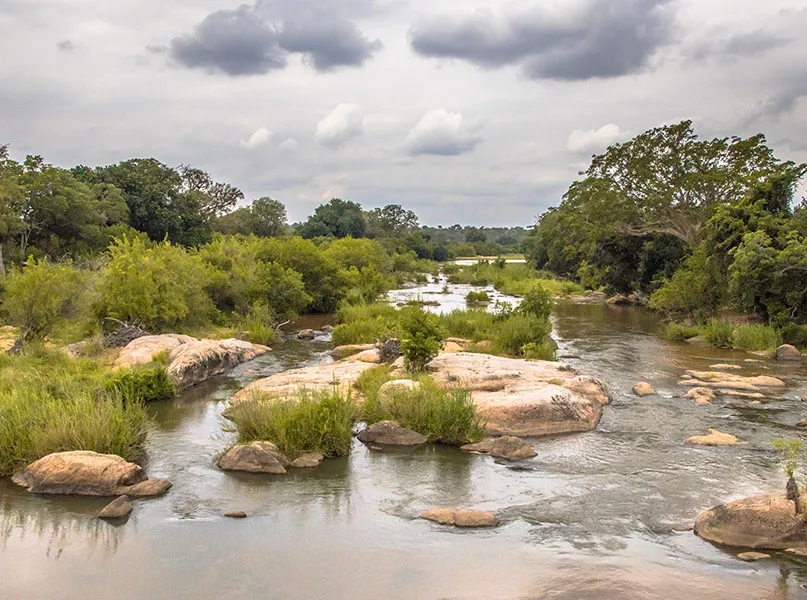
Amongst its many African safari tour options, Siyabona Africa provides once-in-a-lifetime hot air balloon trips across the Lowveld region, offering guests the opportunity to float above the clouds of the Kruger National Park.
The company’s scenic one-hour trips are the perfect romantic pastime as you and a loved one can take in the unforgettable beauty of ‘The Place of the Rising Sun’. You can also catch a unique birds-eye-view of some of the world’s most revered creatures that command the vast game reserves.
Before take-off, bucket-list adventurers will meet near Hoedspruit and be greeted with a hot cup of coffee whilst the magnificent balloon inflates.
After a quick safety briefing, hop in the basket to witness the glorious sunrise as you drift over farmland and grasslands.
Sleep:
FOR A LUXURY, NATURE-CENTRIC ESCAPE…
With a tranquil, high-end assortment of family-owned properties and boutique hotels across Mpumalanga and further throughout Southern Africa, Tintswalo Collection ensures each guest has an exceptional and unforgettable stay. Delight in the establishment’s second-to-none service and lavish amenities as you gaze upon a serene view of nature.
FOR A SECLUDED RETREAT AMONGST TOWERING MOUNTAINS…
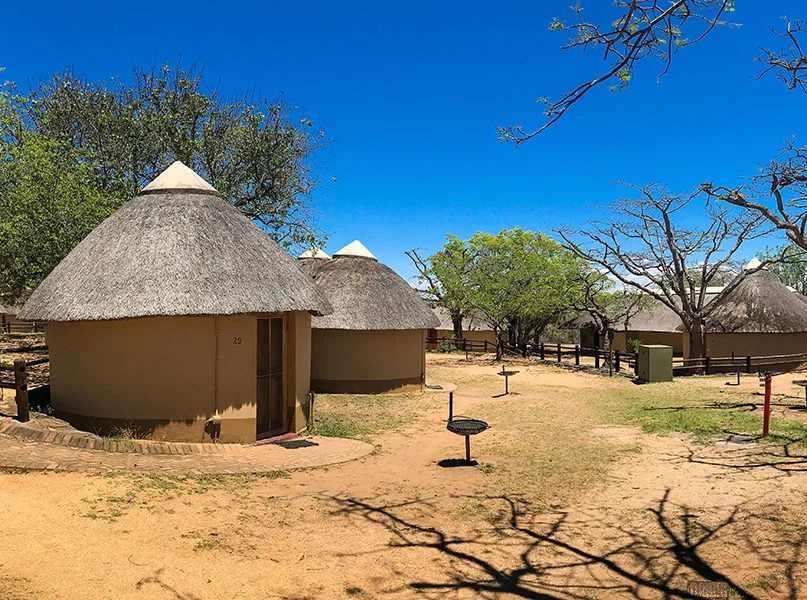
Comprising a thoughtful collection of four luxurious thatched chalets, Serenity Mountain and Forest Lodge is nestled deep within the riverine forest, where the calming sounds of a cascading mountain stream can be heard as you drift off to sleep.
Located just 19 kilometres from Kruger National Park, the lodges are the perfect place to escape from the hustle and bustle of tourists as they are embedded deep within lush canopies.
The resort’s secluded honeymoon suites offer the perfect romantic getaway with an adventurous twist, as each is complete with a private deck where you can reach the trees with your fingertips.
Over by the lake sit two additional luxury suites boasting a fantastic viewpoint of the vast lake and the evergreen Matumi trees, complemented by an abundance of convenient facilities.
FOR A JOURNEY OF PERSONAL SANCTUARY…
Named after an African warrior queen and suspended over the mighty Sabie River, Kruger Shalati offers an expressway to freedom, relaxation, and meaningful connection.
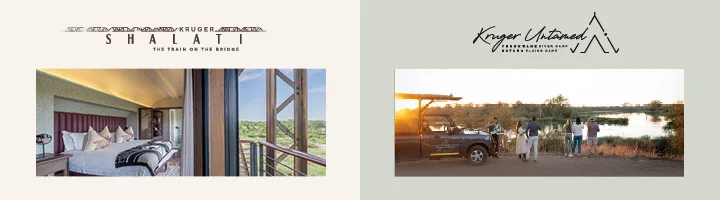
Stationed at the Selati Bridge at the gateway to Kruger National Park, the establishment has a choice of 31 uniquely decorated rooms spread across a magnificent, retired locomotive, which perfectly strike the balance between a deeply visceral journey and immense comfort.
Whether you nestle yourself into one of the 24 Train Carriage Suites or seven Bridge House Suites – positioned in a beautiful garden setting adjacent to the bridge – both accommodation types offer an opulent and immersive experience that harks back to the decadence of 1920s rail safaris.
Each spacious suite is carefully decorated with a thought-provoking design, centred around humanity, cultural nuance, and the people who crafted the incredible spaces.
The glass-walled Carriage Suites are a celebration of African design, working in collaboration with local artists and crafters. Take a dip in each suite’s bespoke pool with a swimming vista like no other.
The Bridge House Suites, meanwhile, transcend the wilderness experience with spectacular views across the Sabie River.
Upholding a philosophy of holistic health, Kruger Shalati’s guests can also indulge in personalised wellness treatments at the hotel’s world-class spa – a space for healing, restoration, rejuvenation, and serenity.
Looking out across the vast plains of one of Mpumalanga’s most superb reserves, you can’t help but relax, sink deep into tranquillity, and embark on a journey of self-discovery when staying at Kruger Shalati.
LANDMARK ATTRACTIONS
Pilgrim’s Rest
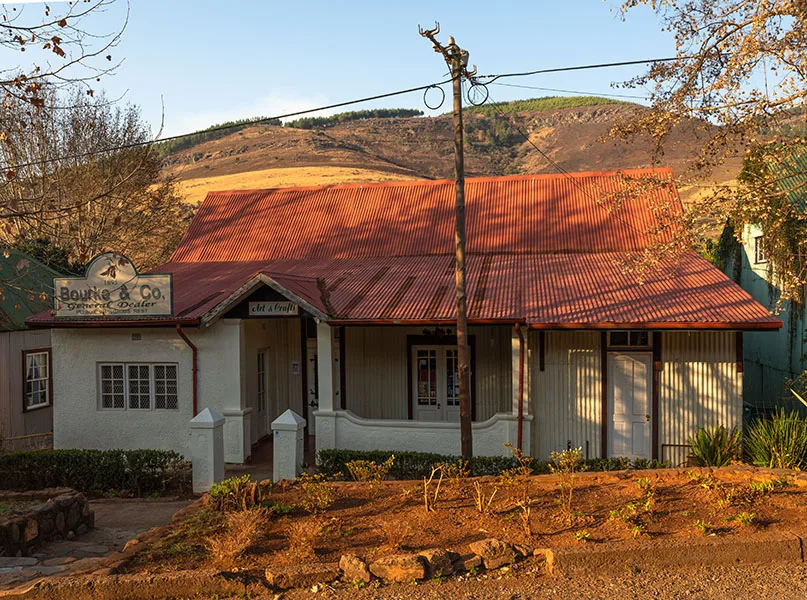
A small, protected museum town, Pilgrim’s Rest transports visitors back to the mid-19th century and is home to the Transvaal gold mines that experienced a flurry of prospectors in the late 1870s. Made into a provincial heritage site in 1986, you can marvel at the quaint architecture that is largely unchanged since the gold rush, making it a living, large-scale relic of a bygone era.
Three Rondavels
One of the many wonders along the Panorama Route, this picture-postcard mountain trifecta is located at the northern end of the Blyde River Canyon. Travellers can gaze upon the consecutive mountaintops that protrude neatly into the sky from an ideal vantage point on the northern edge of the Drakensburg mountain range. Three Rondavels was once known as ‘The Chief and his Three Wives’, reflecting the historically famous war chief, Mapjaneng, and his troublesome counterparts.
Bourke’s Luck Potholes
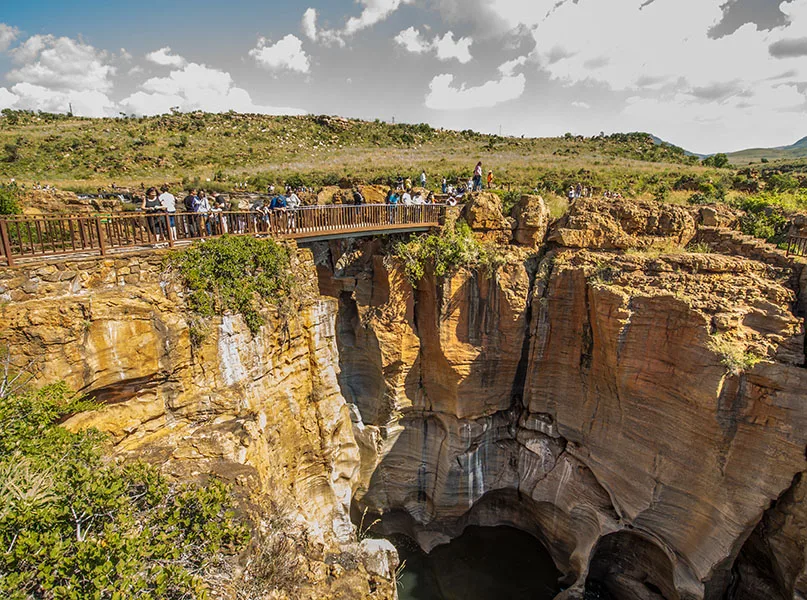
Situated at the beginning of the Blyde River Canyon, these peculiar-looking natural water features tell a story of the landscape’s evolution across millennia. Offering gradients between burnt orange, pearly yellow and white, and stone grey, each igneous layer is ingrained with the power of the ocean and a prominent reminder of the wonders of the natural world.
GETTING THERE AND AROUND
For international visitors, reaching Mpumalanga is most accessible via air, with most flights landing in O.R Tambo International Airport (JNB). From here, you can either take a three-hour drive east to the province’s border or take a domestic hour-long flight to Kruger Mpumalanga International Airport (MQP) with regional airlines, Airlink and FlySafair.
Once firmly on solid ground, it is highly recommended to hire a car for your trip, since the majority of the province’s main locations are far apart and very remote. Being behind the wheel also allows you to take the trip at your own pace, with many of Mpumalanga’s roads being well-connected and maintained.
Renting a car couldn’t be easier, with an abundance of rental car companies present at the airport to meet your every vehicle-hiring need. Travellers must carry a valid English-language driving licence or international driving licence and should be aware that SA drives on the left-hand side of the road.
For those looking to take a more relaxed sojourn around Mpumalanga, tourists can also travel around the province via guided tours and transfers, provided by private tour operators. This is typically the case for those exploring sites across the Panorama Route or Kruger National Park.
Public transport and minibuses are also available, but be warned that this form of travel is limited to local and regional areas, as many key tourist locations are remote and not covered by public transport links.