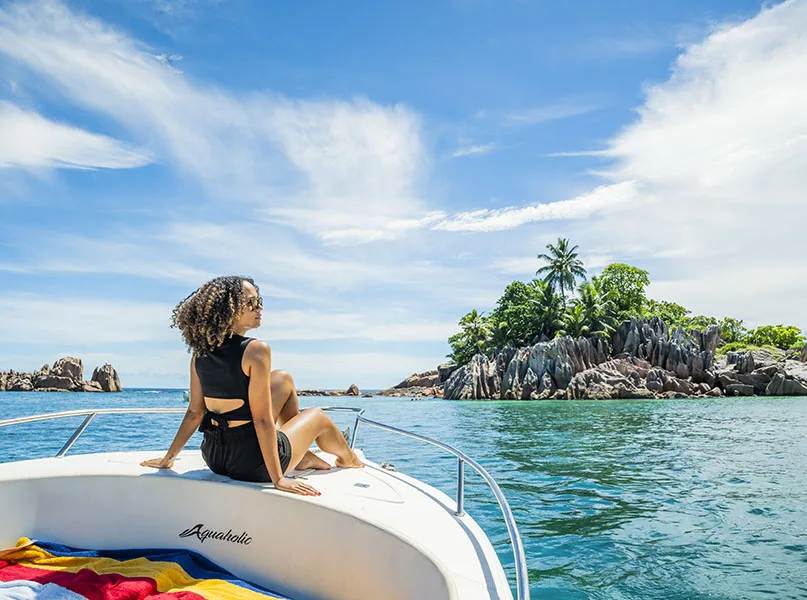


With a vision of being a catalyst for sustained tourism growth in the archipelago, Tourism Seychelles is a strategy-focused tourism department committed to creating a conducive environment for the development and maintenance of an authentic and dynamic hospitality industry.
Q&A WITH SHERIN FRANCIS, PRINCIPAL SECRETARY, TOURISM SEYCHELLES
Encouraging visitors to experience all that Seychelles has to offer, from pristine water to exquisite flora and fauna, the department proudly delivers a value-for-money and unique experience through innovation, strategic partnerships, and expert coordination.
The archipelago generated approximately USD$1.2 billion in estimated tourism revenue with over 398,000 total visitor arrivals and an 89.7 percent visitor satisfaction rate across 2025 alone, and continues to grow these numbers. Sherin Francis, Principal Secretary, tells us more about Tourism Seychelles’ origins and plans for a sustainable future.
Since we last spoke in March 2024, what has Tourism Seychelles been up to?
Sherin Francis, Principal Secretary (SF): We’ve been very active and quite aggressive with our sustainability agenda, particularly through our new initiative, the Sustainable Seychelles Programme. To date, we’ve brought approximately 200 tourism operators on board at different levels, meaning they are practising sustainability across various businesses and properties.
This is extremely important for Seychelles, as we position ourselves as a sustainable tourism destination. Tourism is our livelihood and our bread and butter, and for the survival of the industry, we must continue to encourage more sustainable practices.
We’ve also been very busy on the marketing front. I’m happy to report that we closed the year with a 13 percent increase in visitor arrivals, with the majority still coming from Europe, accounting for around 70 percent. Over the years, however, we’ve also seen growth from non-European markets, which is important to our mission of diversifying our source markets. We’ve also introduced new product offerings.
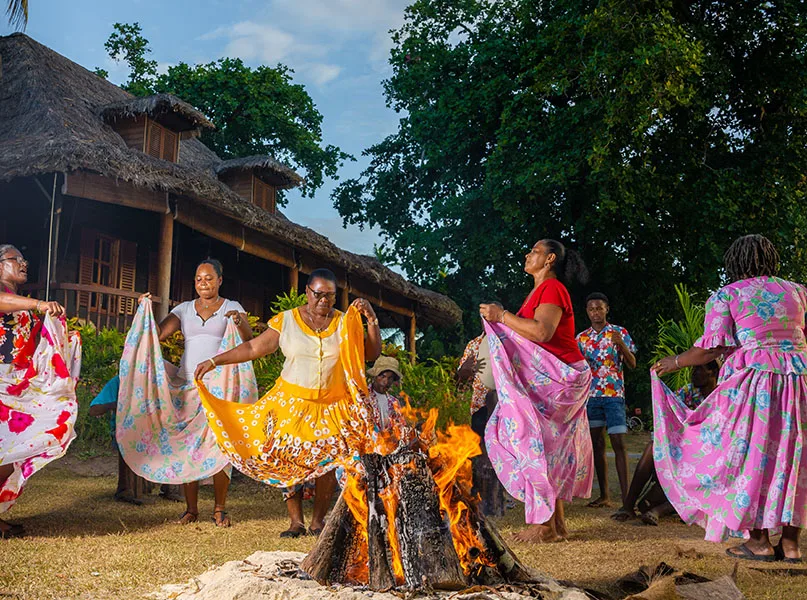
One of our key goals for 2025 was to create more cultural experiences for visitors. Today, when people visit Seychelles, it’s no longer just about sand and sea. Visitors can learn how to cook traditional Creole dishes, take part in crafts and pottery, get their hands dirty, and even visit farms to learn how to make traditional cassava biscuits.
This is very much part of our sustainability objective – to connect visitors more closely with the local community. Last year, we also launched our hotel classification programme, which focuses on grading properties. It includes a star-rating system for larger properties and a programme called Seychelles Secrets for smaller establishments. This helps visitors understand the different categories of accommodation available in Seychelles, ranging from small boutique properties to large, luxury 5-star resorts.
Amongst the smaller properties, there are different levels of comfort, and that’s what the grading scheme is all about. For example, if a property is graded Seychelles Secrets Gold, guests can expect a higher-quality product and greater comfort.
Looking ahead to 2026, there will be major structural changes within the ministry. Currently, the ministry oversees marketing, product planning and development, international cooperation, and the tourism academy. By Q2, we aim to re-establish the Seychelles Tourism Board as the marketing arm of the archipelago. This entity will focus specifically on destination marketing and will be private sector-led. Whilst this will allow for more dedicated focus on marketing, our overall objectives will remain unchanged.
In 2026, we will also continue to prioritise sustainability and the development of cultural experiences. With the creation of the new Ministry of Tourism and Culture, which will oversee both portfolios, there will be a dedicated and stronger focus on cultural tourism in Seychelles.
Please can you reintroduce us to the origins of Tourism Seychelles and its initial vision?
SF: Tourism Seychelles has always focused on attracting higher-value, lower-impact visitors — in other words, more responsible travellers who are genuinely inclined to experience the destination.
This is how values are passed on. When visitors explore, take excursions, go on cultural tours, visit farms, or learn how to cook Creole dishes, they engage in more responsible tourism. It’s about creating value and allowing visitors to experience the destination in a more authentic way.
This has been our focus because Seychelles is not a mass tourism destination. We are a small group of islands, and there is a natural limit to how many visitors we can accommodate. That’s why we must focus on the right kind of tourism – prioritising value rather than just numbers.
In the same vein, we aim to build a pool of competent workers to deliver on our strategic priorities and, from a destination management perspective, continue diversifying product offerings across the destination.
Can you expand further on your current goals?
SF: Our goals are to keep Seychelles visible and top-of-mind for travellers, whilst ensuring it remains one of the preferred island destinations globally. We want to continue offering unique experiences, particularly cultural and outdoor activities that visitors can engage in during their stay.
The archipelago is one of the very last places on Earth that remains largely uncommercialised. It’s uniquely pure, and as our slogan says, it’s truly another world when you step into Seychelles.

“The archipelago is one of the very last places on Earth that remains largely uncommercialised. It’s uniquely pure, and as our slogan says, it’s truly another world when you step into Seychelles”
Sherin Francis, Principal Secretary, Tourism Seychelles
How does Tourism Seychelles act as a catalyst for sustained tourism growth and development?
SF: Our mandate is to give Seychelles strong and consistent visibility so we can continue growing our various source markets. At the same time, we work on developing and enhancing the destination’s products and offerings to ensure there is always a diverse range of high-quality experiences available – supported by exceptional service and good value for money.
How do you market Seychelles as a destination?
SF: We use a varied marketing mix, as there is no one-size-fits-all approach and each market has its own specific characteristics. We work closely with travel trade professionals and the media to build awareness, which is our first line of activity across all markets – even emerging ones where budgets may be limited. In more mature markets, we invest heavily in digital advertising and implement very selective above-the-line consumer campaigns. We also participate in key trade and consumer fairs where our destination has strong relevance.
How do you promote off-season travel for Seychelles?
SF: Off-season travel requires a different strategy, largely dependent on operators offering attractive packages during those periods.
During the off-season, we compete with other summer destinations that are closer and more affordable for travellers. For example, many European visitors may find it cheaper to travel to destinations like Greece or Spain. Those who choose Seychelles during this period often do so because they are getting a good deal or are looking for a specific experience.
This is why we strategically plan events such as the Seychelles Nature Trail Challenge in May and the Seychelles Sailing Challenge in July. We are positioning May, June, and July as a sports and events season, and we are currently in discussions with partners to introduce additional events or festivals during this period. We also target European seniors, as they typically have more flexibility and are not restricted by peak travel periods.
OT: Are there any interesting projects in the pipeline that you’d wish to highlight?
SF: The Seychelles Nature Trail Challenge and the Seychelles Sailing Challenge remain two major events on our calendar. We also have Festival Kreole, which runs throughout the month of October and is ideal for visitors who want to experience authentic Seychellois culture – from food and gastronomy to music, dance, and traditions.
Why, in your opinion, should someone visit Seychelles?
SF: Seychelles is one of the very last places on Earth that remains largely uncommercialised. It is uniquely pure, and as our slogan says, it is truly another world when you step into Seychelles.
Are there any specific experiences or natural wonders that you would recommend to visitors?
SF: The Vallée de Mai is a must-visit. It’s a UNESCO World Heritage Site and home to the iconic Coco de Mer, which grows in its natural state.
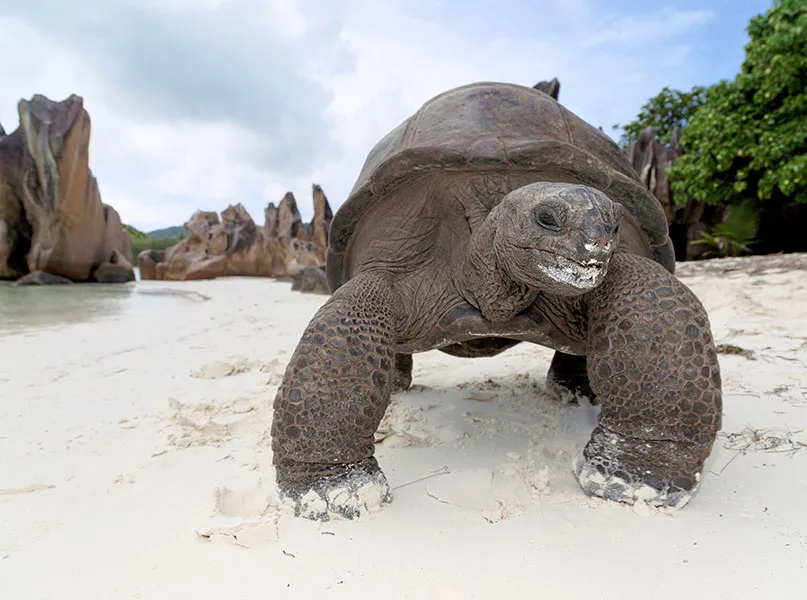
Visitors also fall in love with our giant land tortoises, which can be seen in various locations, including the National Botanical Garden. On islands such as Bird Island and La Digue, visitors can interact with some of these oldest living animals on Earth.
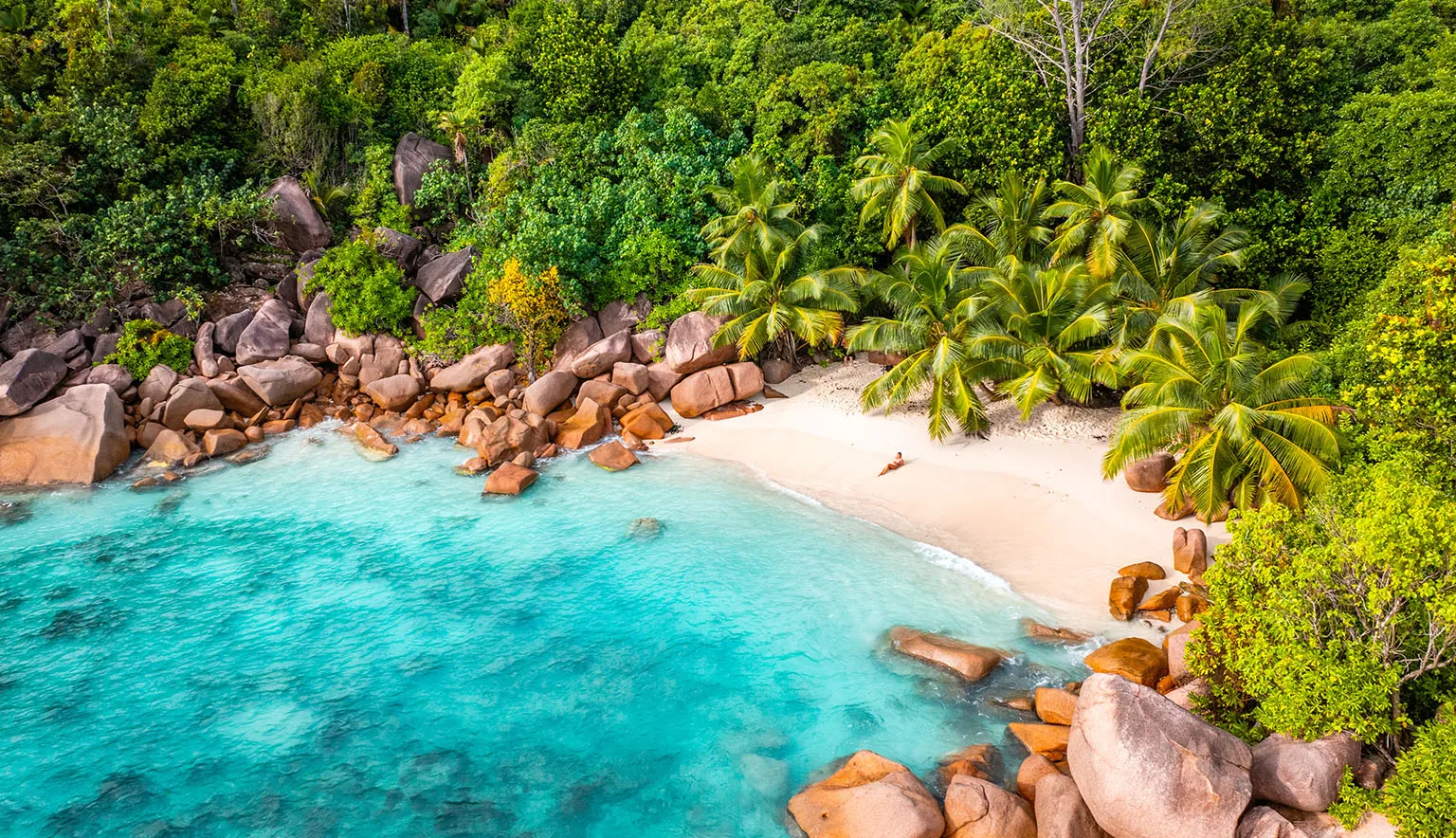
Of course, our spectacular beaches are another major draw. There are so many that it’s hard to choose just one. Beaches like Anse Lazio, Anse Georgette, on Praslin consistently feature in top 10 rankings across major media and publications. Anse Source D’argent on La Digue, in particular, is one of the most photographed and Instagrammable beaches in the world, famous for its striking rock formations.
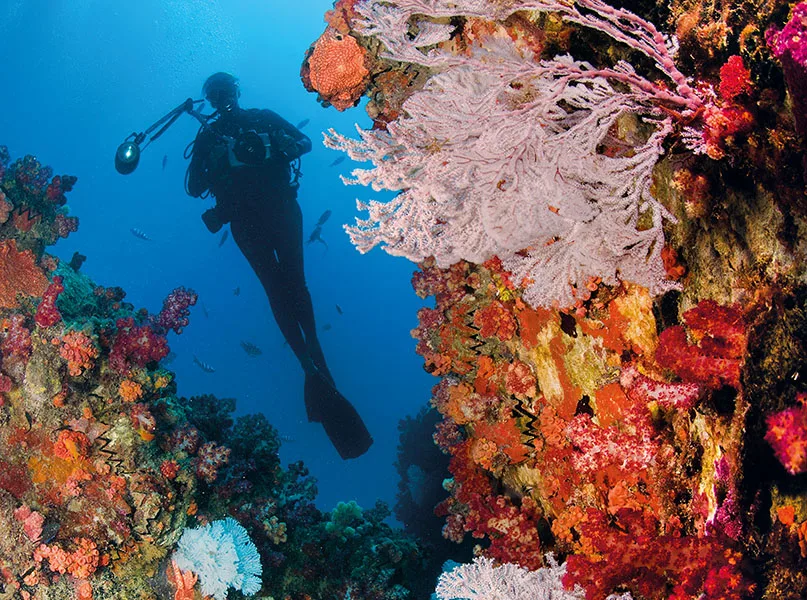
Seychelles is also known for its breathtaking nature, amazing sealife, lush vegetation, and scenic hiking trails, which are highly recommended for visitors.
“What the tourism industry and recent events have shown us is that there will be challenges, but if you’re agile, flexible, and quick to respond to changes happening, you can remain relevant as a tourism location and a top-of-the-list destination”
Sherin Francis, Principal Secretary, Tourism Seychelles
What challenges does the tourism industry in Seychelles currently face?
SF: Like many island destinations, our biggest challenge is climate change – rising sea levels, increasing temperatures, coral bleaching, and coastal erosion.
The second challenge is managing tourism growth. An increase in visitor arrivals puts additional pressure on infrastructure and the environment. This is something we manage very carefully to ensure visitors continue to enjoy a high-quality experience without being affected by destination challenges.
Maintaining the right balance between tourism development and protecting our fragile, pristine ecosystem is a top priority, and we continuously look for solutions to achieve this balance.
Finally, are you optimistic about the future of the tourism industry in Seychelles?
SF: I believe the industry has shown its resilience amidst very difficult and challenging times.
What the tourism industry and recent events have shown us is that there will be challenges, but if you’re agile, flexible, and quick to respond to changes happening, you can remain relevant as a tourism location and a top-of-the-list destination. It’s all about how you react. We know our strengths, and despite the challenges, the industry remains optimistic about the future.