


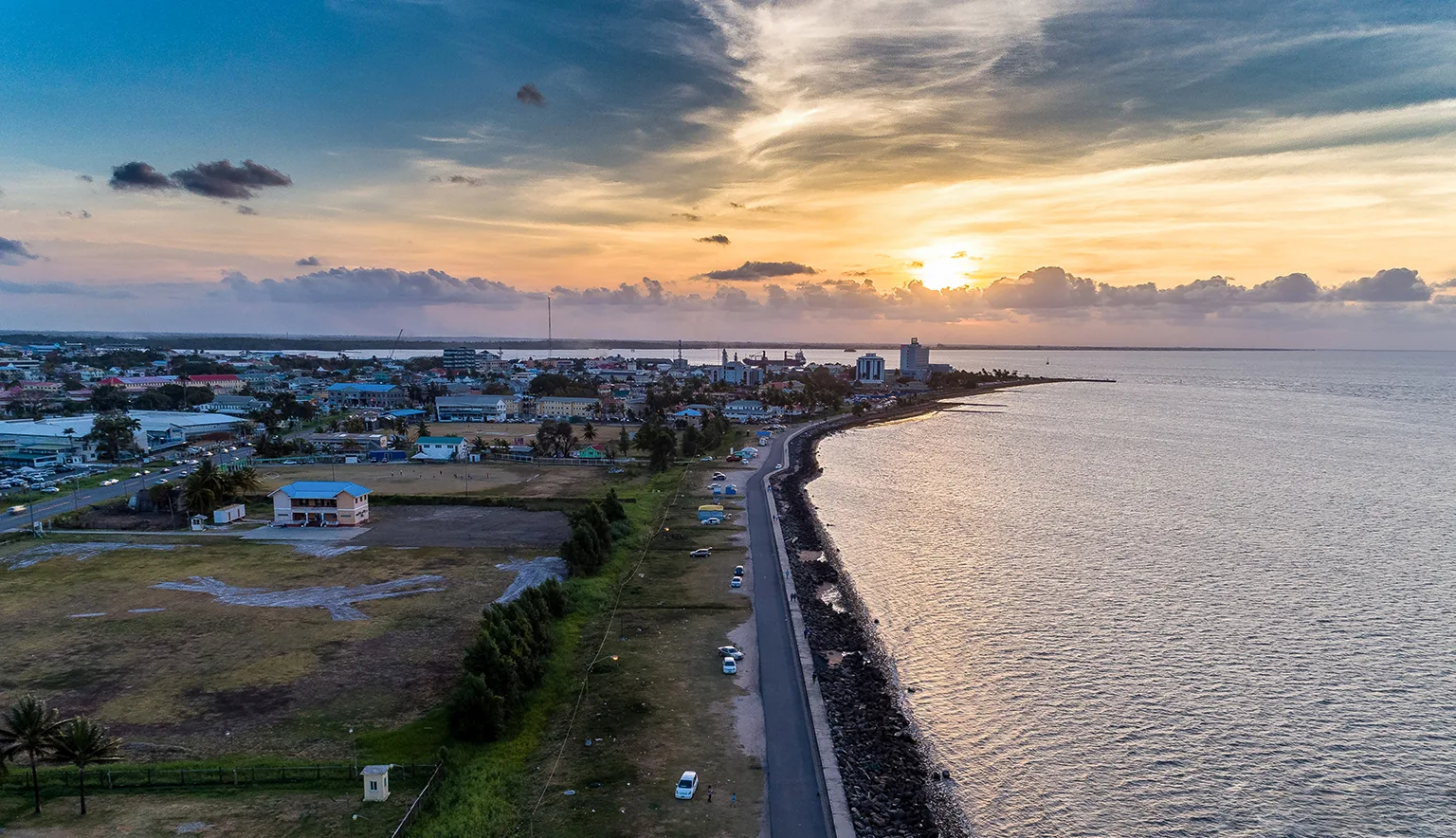
Kamrul Baksh, Director of the Guyana Tourism Authority (GTA), discusses the transformative journey of the country’s tourism industry and highlights key growth trends, challenges, and the exciting future that awaits this vibrant destination.
Q&A WITH THE GUYANA TOURISM AUTHORITY
Firstly, how has the tourism industry in Guyana developed since we last spoke to the GTA?
Kamrul Baksh (KB), Director: Since 2019, Guyana’s tourism industry has experienced significant expansion, driven by strong visitor growth and steady product development.
We have surpassed the 2024 visitor arrival figure of 371,271, reaching 371,446 as of October 2025. October alone saw a 28.9 percent year-on-year increase, with around 42,306 visitors.
From January to October 2025, arrivals grew by 24 percent compared to the same period in 2024. Based on the current trends, Destination Guyana is expected to end December 2025 with at least a 20 percent overall increase, achieving the highest annual total in the country’s tourism history.
The sector also now features more than 70 new tourism experiences across the country, reflecting diversification into nature, culture, and Indigenous community-led products.
Over 8,000 individuals have been trained in hospitality, including tour guides, culinary workers, and customer service personnel, thereby improving service standards and local capacity. In this light, the country’s first Hospitality and Tourism Training Institute is expected to open in 2026.
Accommodation has expanded with the addition of several new hotels, including internationally branded properties such as Aiden by Best Western and Courtyard by Marriott, with hundreds of new rooms currently under development.
Air connectivity has also expanded with the addition of new airlines, including Sky-high Dominicana, Copa Airlines, British Airways, United Airlines, Avianca, KLM Royal Dutch Airlines, and InterCaribbean Airways, which complement existing carriers and increase access from major source markets.
Collectively, these developments position Guyana as a competitive and sustainable destination, strengthening its profile in the regional tourism landscape.
What are the ambitious goals the authority is striving to achieve?
KB: The GTA is committed to promoting sustainable tourism that benefits people, communities, and the environment.
Guided by its Vision 2030, the authority aims to strengthen Guyana’s position as a premier destination known for protecting its natural and cultural heritage whilst offering authentic experiences that benefit local communities. Its current goals include:
- Strengthening institutional capacity by improving operational efficiency, updating tourism regulations, expanding licensing access, and enhancing staff development.
- Maximising socioeconomic and conservation outcomes through stronger partnerships with the private sector, closer alignment with government ministries and agencies, and increased marketing and communication efforts.
- Championing the value of tourism by raising public awareness, improving data collection and policy frameworks, and promoting industry standards.
- Empowering communities by supporting training initiatives, developing new tourism products, and mobilising external funding to boost tourism development across the country.
Together, these priorities aim to ensure tourism growth remains inclusive, sustainable, and beneficial to all Guyanese.
How does GTA effectively promote Guyana as an enticing travel destination?
KB: The GTA promotes Destination Guyana through a coordinated mix of strategies designed to strengthen visibility and attract high-value travellers, especially from North America, its largest source market. Others include the UK and the Caribbean, with key marketing efforts that include:
- North American representation – Collaborating with marketing representatives to build trade relationships, execute targeted campaigns, and increase visitor arrivals in the North American market.
- Influencer partnerships – Engaging trusted local, regional, and international content creators to share authentic stories of Guyana’s nature, culture, and people across global digital platforms.
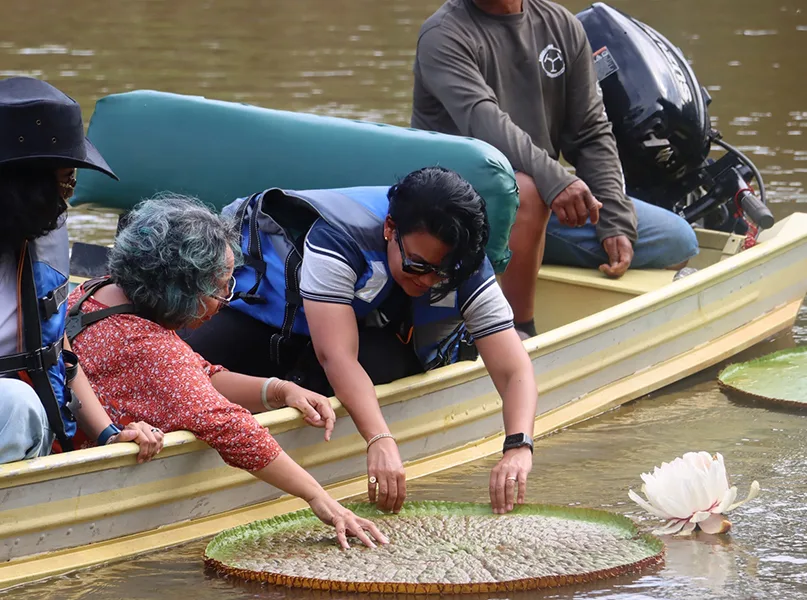
- Familiarisation trips – Hosting media professionals, travel agents, and tour operators to experience the destination firsthand and better promote it within their networks.
- Cooperative marketing – Partnering with airlines, tour operators, and international agencies to amplify reach through joint promotions and shared resources.
- Digital and social media campaigns – Running targeted online initiatives that highlight Guyana’s eco-adventure, cultural, and community-based experiences.
- Event promotion – Showcasing Guyana through major activities such as our national events -Mashramani, the International Energy Conference, Rupununi Rodeo, Origins: Guyana Fashion Festival, and so many others – to engage both local and international audiences. Notably, 2026 marks the country’s Diamond Jubilee, its 60th year of Independence, and the calendar of events will be shaped to deliver a robust year of celebration.
- Trade and media relations – Participating in international travel trade shows and coordinating press features to position Guyana as a leading sustainable tourism destination.
What strategies does GTA employ to attract and engage visitors during the rainy season?
KB: The GTA promotes off-season travel by highlighting the unique experiences that remain accessible and enjoyable year-round, and by using strategic messaging to highlight the benefits of travelling during the rainy season. Key approaches include:
- Experience diversification – Promoting activities that are less affected by rainfall, such as cultural festivals, culinary experiences, city and heritage tours, birdwatching, and community-based tourism in accessible regions.
- Targeted marketing – Running digital campaigns that highlight the lush beauty of Guyana during the rainy season, its vibrant landscapes, waterfalls, and rich biodiversity.
- Special promotions and packages – Working with tour operators, lodges, and airlines to offer discounted rates or value-added packages that encourage travel during quieter months.
- Diaspora and regional travel – Targeting the Guyanese diaspora and nearby Caribbean markets, who are more flexible and familiar with the climate, to maintain consistent visitor arrivals.
- Storytelling and influencer content – Partnering with content creators to share authentic stories of travel during the rainy season, showcasing how the experience remains immersive and rewarding.
- Local event promotion – Aligning with national celebrations and cultural events that fall within the rainy months to sustain interest and visitor flow.
Through these strategies, the GTA reframes the rainy season not as downtime but as an opportunity for travellers to enjoy a more intimate, value-rich, and authentic side of Guyana.

Are there any noteworthy projects currently in development that you would like to showcase or draw attention to?
KB: Guyana is experiencing steady progress in both infrastructure development and sustainable tourism growth. Major works such as the East Bank Demerara road expansion and the new Bharrat Jagdeo Demerara River Bridge are improving access to key regions and reducing travel time.
In line with the government’s 2025–2030 tourism agenda, these developments support plans to position Guyana as the premier eco-tourism destination in the Caribbean. The revised National Strategic Tourism Action Plan focuses on sustainability, community participation, and investment diversification.
Infrastructure upgrades, including the new terminal and electronic immigration systems at Cheddi Jagan International Airport (GEO), continue to enhance efficiency and the visitor experience. Air connectivity is expected to continue expanding with the introduction of new routes, alongside the development of new municipal airports at Lethem and Rose Hall, Canje, which are also anticipated to strengthen domestic and regional travel.
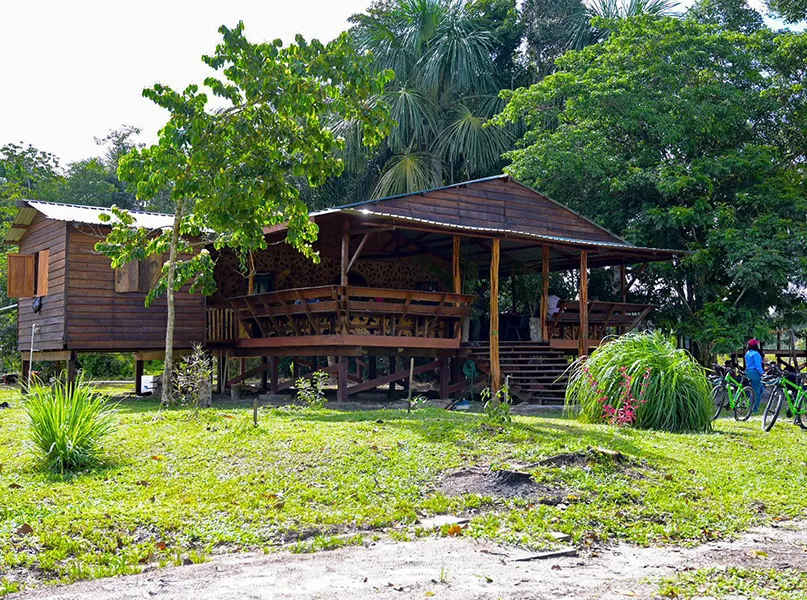
The government has also issued an Expression of Interest for eco-lodge and resort development across ten priority locations, in keeping with its commitment to expand village-level and community-based tourism. Plans for new river marinas, adventure and nature parks, and wellness and sports tourism products aim to further diversify Guyana’s tourism offerings.
Together, these projects reflect a clear vision of the Government of Guyana: building a modern, sustainable, and inclusive tourism sector that benefits all regions of Guyana.
In your opinion, what would compel travellers to visit Guyana?
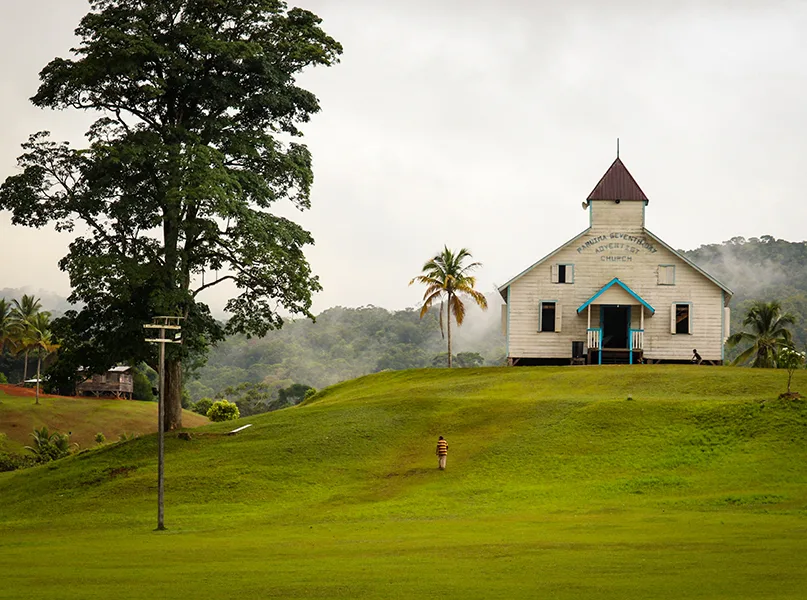
KB: It’s South America’s little hidden gem, culturally Caribbean yet distinguished by its landscapes, wildlife, and traditions. Visitors can explore vast wilderness areas, such as the Rupununi Savannahs, experience life in Indigenous communities, or enjoy the charm of Georgetown’s colonial heritage.
Guyana is a place where nature, culture, and adventure converge in a way that feels authentic and unfiltered. For travellers seeking meaningful, sustainable experiences rather than crowded resorts, the country stands out as one of the most rewarding destinations in the region.
What are some of the most distinctive and captivating landmarks that define the beauty and culture of Guyana?
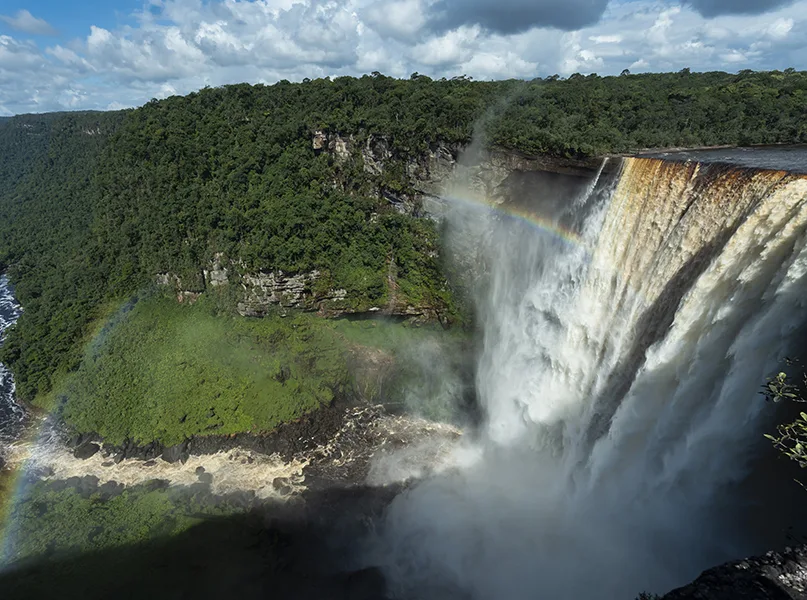
KB: Guyana’s landmarks reflect both its natural grandeur and layered history. The most iconic is Kaieteur, one of the world’s tallest single-drop waterfalls. The Rupununi Savannahs and the Iwokrama Rainforest Reserve stand out for their biodiversity and authentic Indigenous-led experiences.
From a cultural standpoint, Georgetown’s colonial architecture, including St. George’s Cathedral and the Promenade Gardens, showcases the city’s 19th-century charm. Along the Essequibo River, sites such as Fort Zeelandia and the Court of Policy on Fort Island preserve Guyana’s Dutch colonial heritage, offering a rare glimpse into the early settlement history of South America.
Together, these landmarks tell the story of a country where powerful natural landscapes meet centuries of cultural influence.
What emerging trends are reshaping the tourism industry in Guyana, and in what ways are you leveraging these changes to enhance the visitor experience?
KB: Through air connectivity and regional route growth, we’re working with carriers and promoting new routes to boost capacity, as well as expanding branded hotel entry and room stock. Attracting large-scale international brands helps tap into business and meetings, incentives, conferences, and exhibitions (MICE) demand.
We support these initiatives by coordinating market intelligence and workforce readiness, alongside community and Indigenous-led experiences, and providing product development and training grants to ensure revenues reach communities.
When it comes to sustainable and low-impact travel demand, certification and sustainability messaging are central to our campaigns.
Do you feel a sense of optimism regarding the future prospects of the tourism industry in Guyana?
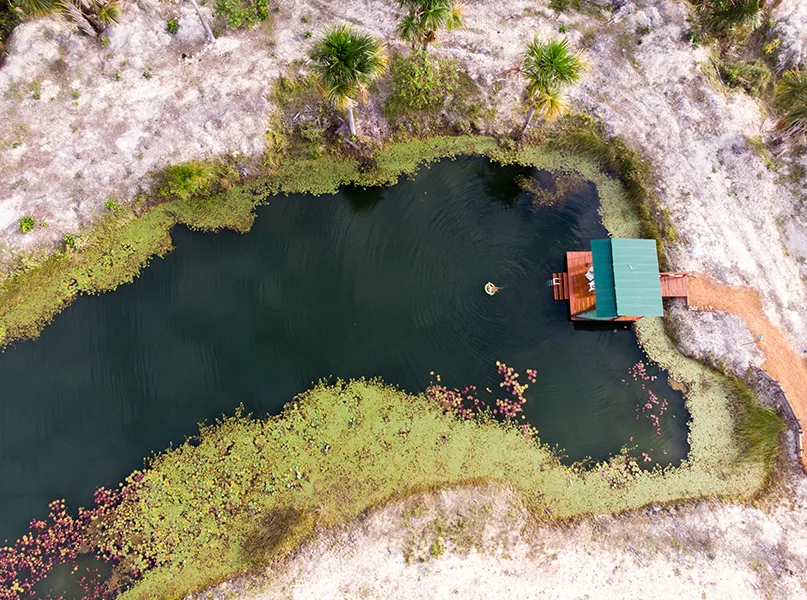
KB: Yes! Guyana’s tourism industry is on a strong, upward path with visitor arrivals, new international hotel brands, improved air access, and the rapid growth of community-based products all pointing to a sector that’s expanding steadily and sustainably.
With continued investment in infrastructure, workforce training, and product diversification, Guyana is well-positioned to become one of South America’s leading nature and adventure destinations.















, discusses the transformative journey of the country’s tourism industry and highlights key growth trends, challenges, and the exciting future that awaits this vibrant destination.)