

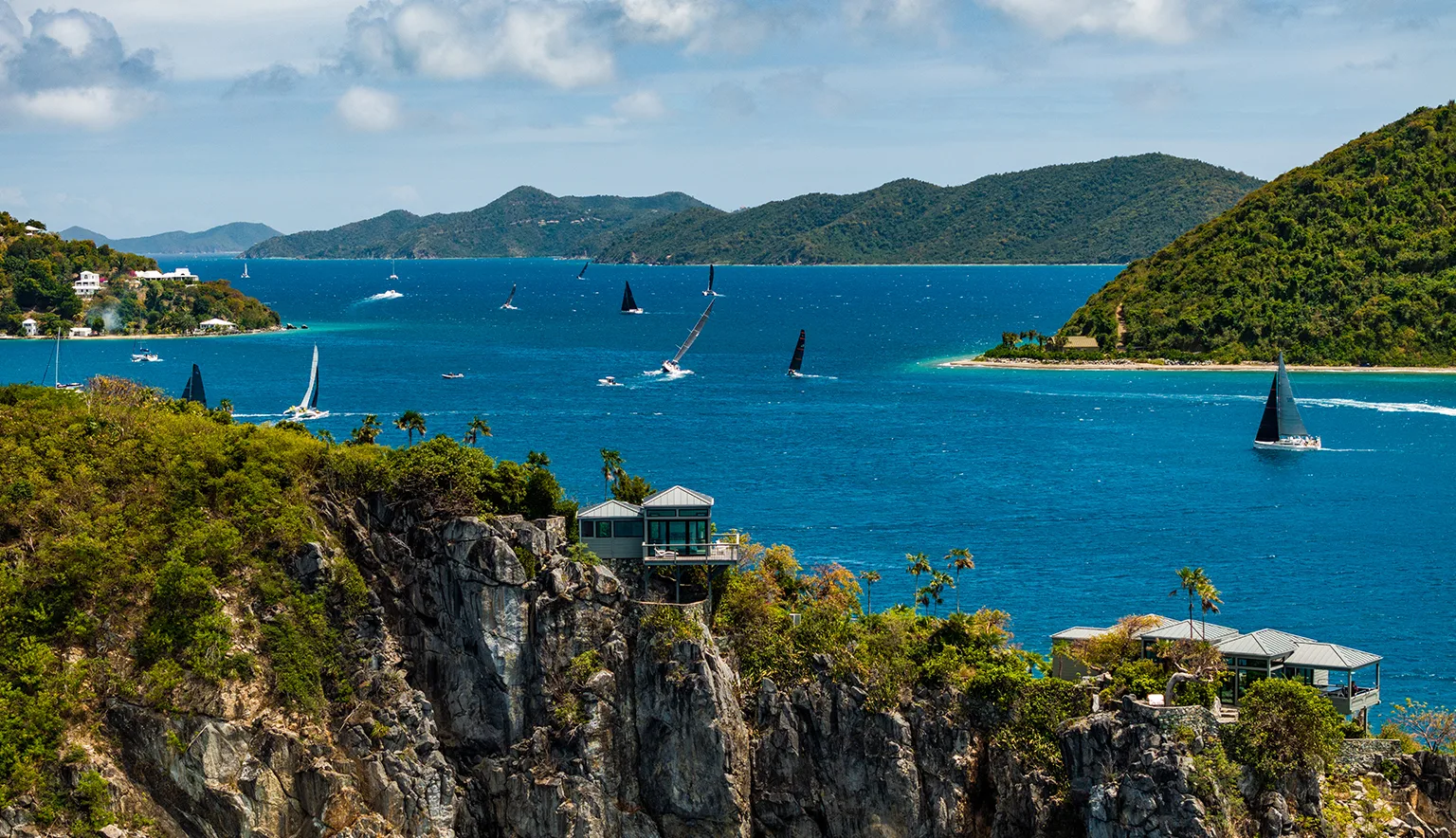
We catch up with Clive McCoy, Director of Tourism at the British Virgin Islands Tourist Board, who highlights the BVI’s unapologetic authenticity, underrated culinary scene, and investment in the arts.
Q&A WITH CLIVE MCCOY, DIRECTOR OF TOURISM, BRITISH VIRGIN ISLANDS TOURIST BOARD
Can you talk us through what the British Virgin Islands Tourist Board has been up to since we last spoke in 2024?
Clive McCoy, Director of Tourism (CM): Since 2024, we’ve been extremely busy at the British Virgin Islands Tourist Board (BVITB). As you may know, the BVI government has established a Ministry of Tourism, Culture, and Sustainable Development. For the first time, the BVI is drafting legislation and policies dedicated to servicing the tourism industry.
We’ve been working closely with the ministry on a new tourism policy, which is expected to be approved in the coming months, as well as a comprehensive tourism strategy for the territory. These steps demonstrate how vital tourism is to the economy.
We’ve also begun a major rebranding campaign; it has been a long time since the brand was refreshed, and we are now deep into that process. Q3 or Q4 2026, we expect to unveil a full rebrand and a more robust marketing presence.
Alongside those major initiatives, we are continuing our global marketing efforts, participating in key trade shows, and developing new products.
By the end of March or early April, we will open the first virtual reality (VR) museum in the BVI, offering cultural and underwater experiences, as well as hiking tours. We plan to expand this activation so cruise passengers visiting just for the day can virtually explore all the islands.
We have also added an artificial intelligence (AI) assistant to our website, making us one of the first tourism boards in the world to do so. Additionally, last year we held our first film festival, which was very successful, and we plan to host it again this year in Q4.
What is your organisation’s most recent set of priorities and goals that you are aiming to achieve?
CM: One of our primary goals is to return to pre‑COVID-19 pandemic levels of overnight visitor arrivals. Although we’ve seen a strong rebound, we haven’t fully reached those numbers yet for several reasons.
During the last few years, we were still recovering from hurricane damage and didn’t have all our major properties reopened. However, many are now returning, including Peter Island Resort.
Another goal is to ensure hospitality in the BVI is amongst the best in the world. Our team has been working diligently on training throughout the sector so visitors feel genuinely welcomed. People in the BVI are naturally friendly, but we want to reinforce the importance of giving guests the best possible experience.
We are also adjusting internally as the newly formed Ministry of Tourism, Culture, and Sustainable Development takes responsibility for product development, whilst the BVITB transitions to focusing solely on marketing. Strengthening our marketing capabilities to meet the territory’s needs is therefore a major priority.
We’re constantly exploring new attraction opportunities as well, particularly within the culinary sector, and we’ll be announcing more about those as the year progresses.

“People in the BVI are naturally friendly, but we want to reinforce the importance of giving guests the best possible experience”
Clive McCoy, Director of Tourism, British Virgin Islands Tourist Board
What helps you keep a fresh perspective when promoting the BVI?
CM: We focus on ensuring our imagery and content remain fresh and showcase the destination in the best possible light. Our marketing team is always exploring new approaches and staying attuned to global trends, especially the increasing desire for authentic cultural experiences.
The BVI is one of the most unapologetically authentic places you can visit, and we work with government and stakeholders to highlight this.
We’re also investing in the arts – including music, dance, and painting – as part of what we call the “orange economy”. In an age when it’s hard to differentiate what’s real online, our commitment is to remain authentically and distinctly BVI.
What are some of the islands’ unique qualities that don’t always get the attention they deserve?
CM: The BVI’s culinary scene is extremely underrated. Everyone knows about our beautiful islands, warm and welcoming people, and world‑class sailing – we’re the sailing capital of the world – but the food here is truly exceptional too.
From street vendors to upscale restaurants, you will not have a bad meal in the BVI; the blend of cultural influences creates unforgettable dishes. We hear other Caribbean countries boast about being culinary capitals, but we quietly know the BVI’s cuisine is second to none.
We promote this through events such as Taste of Virgin Gorda and Jost Lime and Dine, which now allows people staying on Tortola to visit Jost Van Dyke for dinner – something that wasn’t previously possible due to ferry schedules.
Later this year, during Thanksgiving weekend, we’re hosting the Anegada Lobster Festival. If you’ve never had an Anegada lobster, you’ve never really had lobster – it goes straight from the ocean to the grill then onto your plate.
The lobster is incredible, but the official dish of the BVI is fish and fungi – steamed fish served with a cornmeal‑based side that absorbs the juices beautifully. If someone offers you fish and fungi in the BVI, definitely say yes.
“Everyone knows about our beautiful islands, warm and welcoming people, and world‑class sailing – we’re the sailing capital of the world – but the food here is truly exceptional too”
Clive McCoy, Director of Tourism, British Virgin Islands Tourist Board
What challenges is the tourism industry currently facing, and how are you addressing these?
CM: Overtourism is a major concern globally, and we’re very aware of its potential impact here. That’s why we’re developing long‑term policies and a tourism strategy to guide the sector for the next 20 to 30 years; sustainability is essential for us.
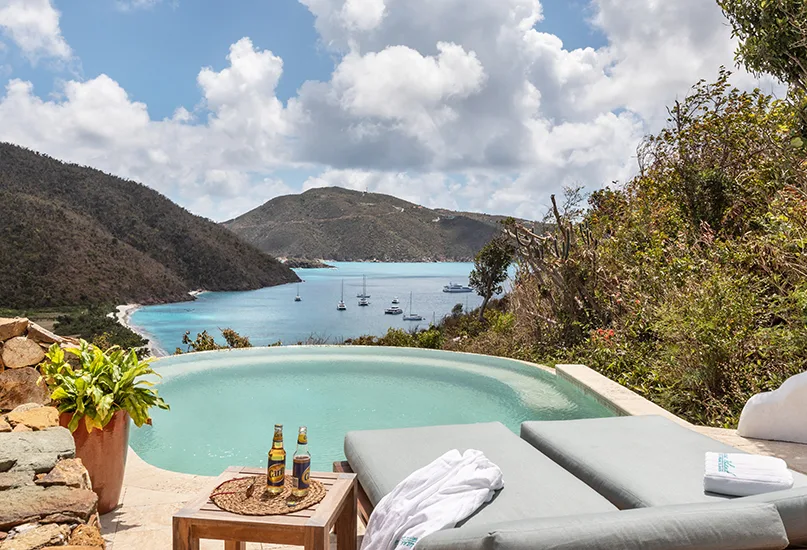
We’ve also launched a robust beach policy in partnership with the Ministry of Environment, Natural Resources, and Climate Change. It prohibits development too close to the shoreline and addresses issues such as beach capacity to protect both the environment and visitor experience.
Weather pattern changes and climate‑related challenges also pose risks, so we are investing in measures to address issues like sargassum, heat, and hurricanes.
Finally, what are you most proud of in the tourism board’s work?
CM: I’m most proud of how we persevered through the COVID‑19 pandemic. It was an incredibly difficult and demoralising time and, for the first time, we saw what the BVI looked like without visitors.
The emotional and economic impact was profound. Guiding the territory through that period to where we are today, where demand is rising and we’re now discussing the need for more infrastructure, has been remarkable.
We’re deeply grateful to our staff, board of directors, the BVI government, and especially the people of the BVI for standing strong throughout that