


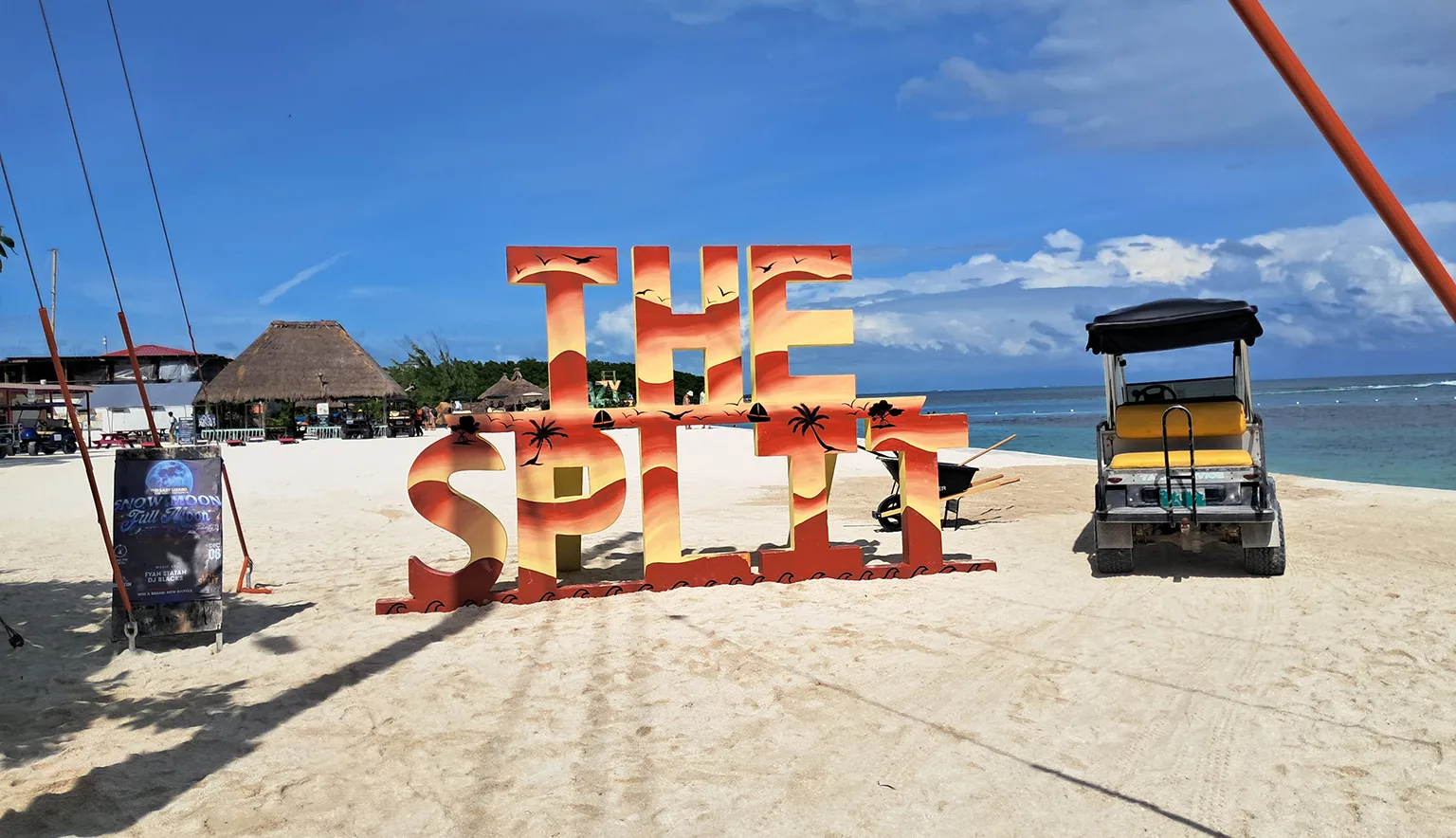
With the overall vision of strengthening its community, the Caye Caulker Village Council (CCVC) has existed in some form for decades, with the legal framework for the authority having been officially formalised in 1999.
Q&A WITH CAYE CAULKER VILLAGE COUNCIL
Charged with good government and the improvement of the village, the council’s goal is to plant seeds for trees in whose shade they may never sit below. Fully embodying the island’s motto of ‘go slow’, the council prides itself on balancing the growth of the island and its people with the need to maintain its appeal – the vast natural landscape and surrounding waters that allot it such a desirable reputation.
Councillors Elizabeth Usher and Tracie Young tell us more about the magic of the island and all the council is working to do to promote it as a must-visit destination.
Please tell me about CCVC and its role in the community.
Elizabeth Usher, Councillor (EU): Our council is made up of seven members, and everyone was born and raised in Caye Caulker. Our families originated here, and we take a lot of pride in what we do. Our vision for Caye Caulker is for it to develop whilst maintaining its charm of that laid back, ‘go slow’ mentality and preserve our heritage.
We try to promote eco-friendly and sustainable practices alongside anything that will develop the island, but also balance the environment, culture, and our history as a fishing village.
We don’t want to be the island where, in 10 years, there’s no mangroves or space for a natural park – we try our best to keep it as pristine and balanced as possible. We do get pushback because everybody wants to see development, but we try our best to work with the community and help them understand the importance of keeping our island as it is and practising sustainability.
Tracie Young, Councillor (TY): The community looks up to the council for solutions to problems and inconveniences. Whilst everything it may not be in our mandate, we do our best to help the community however we can. Our vision is to unite the community and get them more involved in uniting Caye Caulker.
Especially when it comes to tourism, we must work together so that when we invite people, everybody experiences the charm of the island, the beauty of our resources, and can appreciate it as much as we do.
We are encouraging the community to support the local government, as we tend to forget that the biggest resource we have is people. Having experience from the older generation and the modernity of the new generation working together harmoniously will allow us to unite and promote Caye Caulker.
Our team is an eclectic group. I come from a tourism background, and my grandfather was a fisherman, so I try to hold on to that heritage. Elizabeth’s father was also a fisherman, and she and her husband own a fishing company and host tours.
Ilya R Rosado is a dive master who promotes environmental aspects of restoring and preserving what we have, such as the underwater cave sites. We also have Luis Gongora, who has his own business and works with the youth through sports, like football and soccer.
Alida Blease was a teacher, and her family works in tourism through their sailing companies. Sergio Marin works with the airlines and gets a perspective on the people coming into the island. Chairlady Villanueva’s father is also a fisherman, and she has dedicated herself to her pharmacist career whilst also leading the island as Chairlady for three consecutive terms. As a group, we try to get around the island as best we can.
Trying to keep all the charm of the island is one of the biggest aspects whilst staying in tune with the history of being a fishing village.
Elizabeth is a school counsellor who works with schools and encourages students through internships, experiences, and vocational work. By the time they graduate, many already have experience in certain tourism department sectors, which encourages them to experience what the community offers.
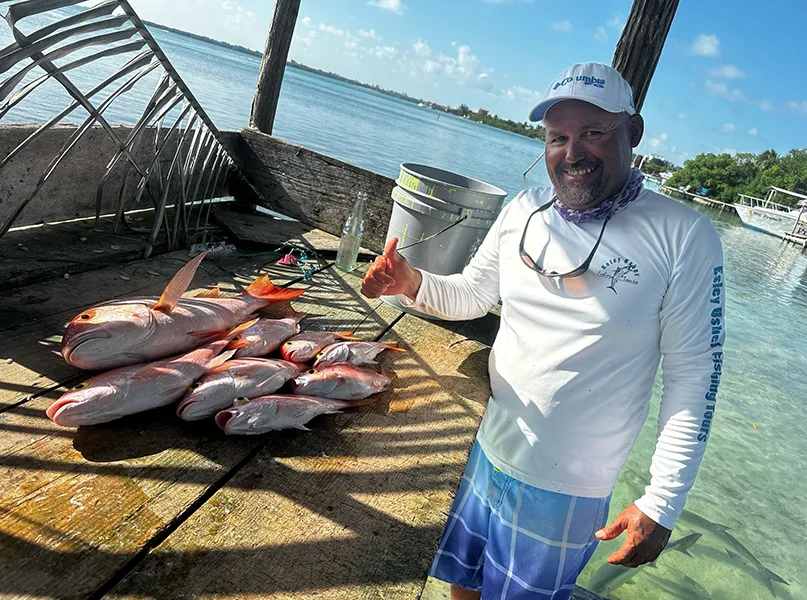
How has the Caye Caulker Village Council developed tourism on the island, and what is the strategy for promoting it as a go-to destination?
EU: One of the biggest improvements we did this year was get Caye Caulker online as much as we can.
We started with the Caye Caulker Village Council website and have since also promoted through the Belize Tourism Board (BTB) and the Belize Tourism Industry Association (BTIA).
Wherever we can promote a little bit of Caye Caulker online, we do so. Primarily, one of the biggest aspects of our tourism industry is that we sell a ‘go slow’ tourism ideology, where we have niche products, plentiful activities, and our environment to promote it.
For example, reefs, ecosystems, species, and our culture are important for our island because we have a lot of people, cultures, and food, which we try to promote as much as possible. We try to partner with local businesses to promote local industries in different sectors whether it’s through social media or simply word of mouth recommendations.
TY: We are working together with BTB, the BTIA Caye Caulker chapter, and the Belize chapter to promote the island. I think there isn’t enough sensitisation on the island as to what the benefits include, so people don’t yet take advantage of signing up for these, which we’d like to change.
What differentiates Caye Caulker from the other islands in the Caribbean?
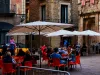
EU: When we speak to tourists, they always say that the ‘go slow’ motto is prevalent. They don’t feel rushed, and it’s a very unique destination because we still have sandy streets with so little traffic that you can stroll through the middle of the street. On other islands, you can’t do that because there are cars and golf carts, and it’s very congested.
We still maintain a lot of the charm from being a fishing village, and we’re trying to preserve that – to balance new tourism whilst keeping our heritage alive. This is why it’s so important that the boards placed to work on these decisions alongside the Caye Caulker Village Council understand our goal as a tourism destination.
TY: We also try to conserve the natural environment through the reef, and we’re focused on the unique experience you get when you’re here. We’re also developing, which can be seen through modernising hotels, whilst trying to keep the island’s natural charm.

“When we speak to tourists, they always say that the ‘go slow’ motto is prevalent. They don’t feel rushed, and it’s a very unique destination because we still have sandy streets with so little traffic that you can stroll through the middle of the street”
Elizabeth Usher, Councillor, Caye Caulker City Council
Are there currently any interesting projects in the pipeline that you are working on?
EU: We are hoping to create more beaches because climate change and erosion have greatly impacted the island. In order for us to do so, we need to look at the environmental factors to create a sustainable beach boom without harming the ecosystem.
We are also focusing on placing Caye Caulker on many websites and online platforms so people from around the world can view it and learn about what Caye Caulker has to offer. We always look at the island’s signage, which was updated years ago, and want to re-update it once again.
Recently, we built a tarpon viewpoint in collaboration with BTB, where there’s the opening of a cave system, and visitors can view tarpons, a great endangered species of fish. We’ve created a pathway through the mangroves to the end of the dock, where you feed them and take pictures. This has been one of the great attractions spots for visitors that come to Caye Caulker.
TY: We also do a lot of different activities and sports like fishing, diving, snorkelling, kite surfing, sailing, and kayaking. There are kayak rentals, tours, speed boats, and sail boats across the island as well.
Why, in your opinion, should someone visit Caye Caulker?
TY: Being born and raised on the island, there are a lot of things that you walk by from your house to the store. There are five different types of birds you would see just walking from a short distance, for example.
Even the community of Caye Caulker doesn’t always take the time to sit back and take advantage of the endemic beauty we have, and it’s very enlightening when guests arrive and have never seen green trees or crystal-clear water. It gives you a different perspective.
Caye Caulker is glad to be able to share its warm, beautiful experiences with the world, along with incredible sunsets. I believe there’s something for everybody on the island.
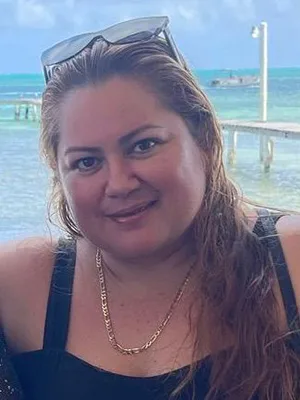
“Caye Caulker is glad to be able to share its warm, beautiful experiences with the world, along with incredible sunsets. I believe there’s something for everybody on the island”
Tracie Young, Councillor, Caye Caulker Village Council
What cultural experiences and natural wonders should visitors experience?
EU: At Caye Caulker, one of the biggest things people visit is the reef.
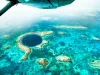
We have access to some of the best diving spots and are very close to the Great Blue Hole dive site. We also have different snorkelling spots unique to the coastline and world-class deep-sea fishing and fly fishing tours – people come for all these activities.
We cater to lots of different travellers, such as families, corporate trips, couples, solo travellers, and more. It’s not just for solo travellers; it’s for everyone.
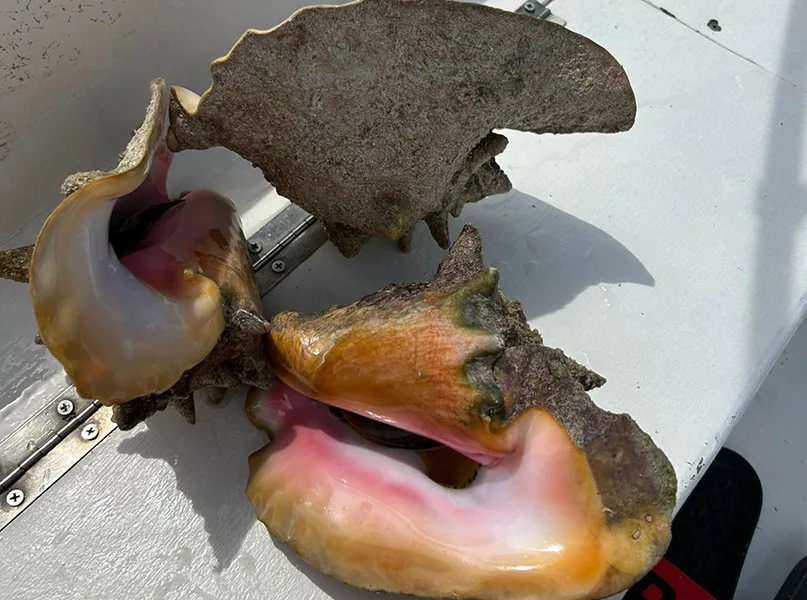
Most of our tours are also budget-friendly. We try to regulate prices for diving and fishing, so we can offer activities you wouldn’t be able to get elsewhere. When it comes to seafood, we utilise the environment around us, such as conch, grilled fish, and BBQ shellfish. There are all different types of cuisines and cultural dishes people can try.
One of our biggest events is the Caye Caulker Lobster Fest in late July, where you can find all types of lobster dishes and experience the culture of the island. Caye Caulker is one of the first fishing villages of Belize’s islands, and lobster season is when we commence this celebration. Every year people come from all over the world to experience this three-day fest.
TY: Belize has a range of different cultures, and people keep them alive with various types of food. You can get food from the Garifunas, Mayans, Mestizos, and so many more. On the island, there’s not just one type of food shared with the community, and it’s the same with music. People try to keep their culture alive by practising and sharing it. One of the best dishes to try apart from seafood dishes is our Belizean rice and beans and stew chicken, especially from Martinez Take Out.
Are there any sustainable tourism initiatives to protect the landscape and surrounding waters of Caye Caulker?
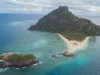
TY: Directly in front of the island, there has been a reserve for 27 years now, which doesn’t allow fishing, called the Caye Caulker Marine Reserve that comprises the Shark and Ray Alley, Coral Gardens and the Channel.
There is also the Caye Caulker Marine Reserve, the Fisheries Department, and people who secure the area to prevent illegal fishing or lobster and conch diving; they’ve designated several sites for fishermen to use elsewhere.
Are there any trends that are transforming the tourism industry in Caye Caulker?
TY: More people are coming to the island to get the full cultural experience of the community.
They are taking videos of their time on the island and posting on social media, encouraging people to come here because you get a little bit of everything – chilling on the beach, watching the sunset, bike riding, bird watching, enjoying music, and having fun with people on the island. That is something a lot of hotels encourage – tag us in your TikToks!
The business communities also work together to get people to the island. We used to have a coconut festival and conch festival, which we want to bring back to reach both local and foreign travellers, especially during October, which is typically our slow season and conch season begins.
We want to promote it and get people excited about coming out for the conch festival and trying all the different soups, fritters, ceviche, and unique dishes.
What are the challenges that the tourism industry in Caye Caulker is currently facing?
TY: When it comes to tourism, it’s more about the local utilities. The island is small and still developing, so the electrical and water companies are trying hard to keep up with the growth. The utility companies have managed to upgrade and expand both of their systems.
We have also added a new water system with a bigger capacity. For our electricity, we have expanded, and we will be placed on the grid in 2026. People have started to look into other options to be able to compensate for such events.
Are you optimistic about the future of the tourism industry in Caye Caulker?
TY: Definitely. I see groups starting their own gardens to grow vegetables on the island, and composting is something growing in popularity right now. We’re trying to promote recycling and have a lot of businesses participating and avoiding purchasing plastics to prevent them from ending up in the water.
“When we speak to tourists, they always say that the ‘go slow’ motto is prevalent. They don’t feel rushed, and it’s a very unique destination because we still have sandy streets with so little traffic that you can stroll through the middle of the street” – Elizabeth Usher, Councillor, Caye Caulker City Council













 has existed in some form for decades, with the legal framework for the authority having been officially formalised in 1999. )