

Selina Gull, Head of Marketing at Zermatt Tourismus, discusses the evolution of Zermatt as a premier destination, the organisation’s commitment to sustainability, and the diverse experiences that await visitors throughout the year.
Q&A WITH ZERMATT TOURISMUS
Firstly, can you provide an insight into Zermatt Tourismus, what it has achieved since its inception, and how it has shaped the municipality as a destination and enhanced the visitor experience?
Selina Gull, Head of Marketing (SG): Zermatt Tourismus has played a crucial role in positioning Zermatt as one of the world’s most famous mountain destinations.
Since its inception, the organisation has focused on creating a strong brand identity centred around the Matterhorn, sustainability, and first-class guest experiences.
Through strategic marketing and key partnerships both within and outside the destination, Zermatt has developed into a year-round destination offering world-class skiing, hiking, and culinary experiences.
What are your current goals and how do you plan to achieve them?
SG: Our main objective is to strengthen Zermatt’s position as a sustainable premium destination whilst ensuring visitor numbers are evenly distributed throughout the year.
To achieve this, we are focusing on three key areas. Firstly, digital innovation plays a crucial role in improving our online booking platforms and enabling personalised communication with guests.
Secondly, we are committed to experience-oriented marketing, showcasing authentic stories and highlighting unique activities in all seasons to inspire travellers.
Finally, we emphasise sustainability communication, actively promoting the eco-friendly initiatives of local businesses and reinforcing Zermatt’s dedication to responsible tourism.
How do you market Zermatt as a year-round destination, and which seasonal activities are emphasised?
SG: We showcase Zermatt’s versatility through targeted campaigns that highlight the unique experiences of each season.
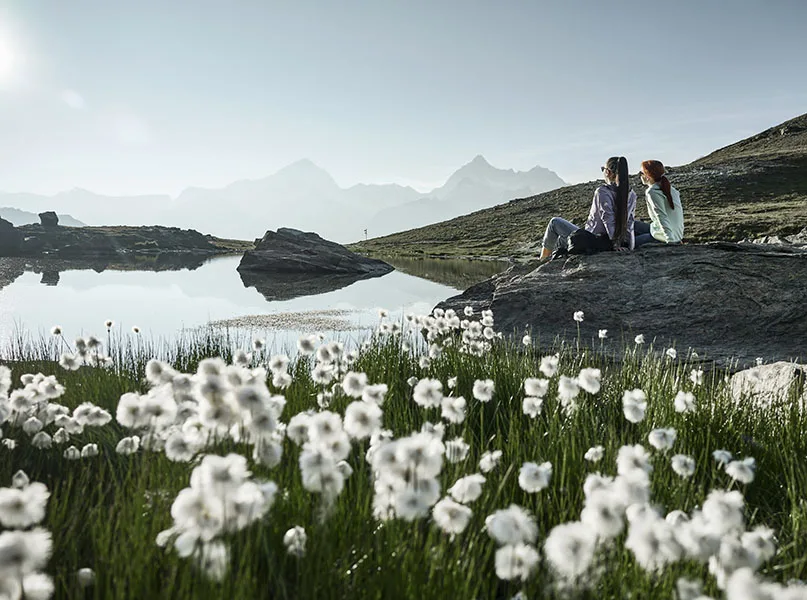
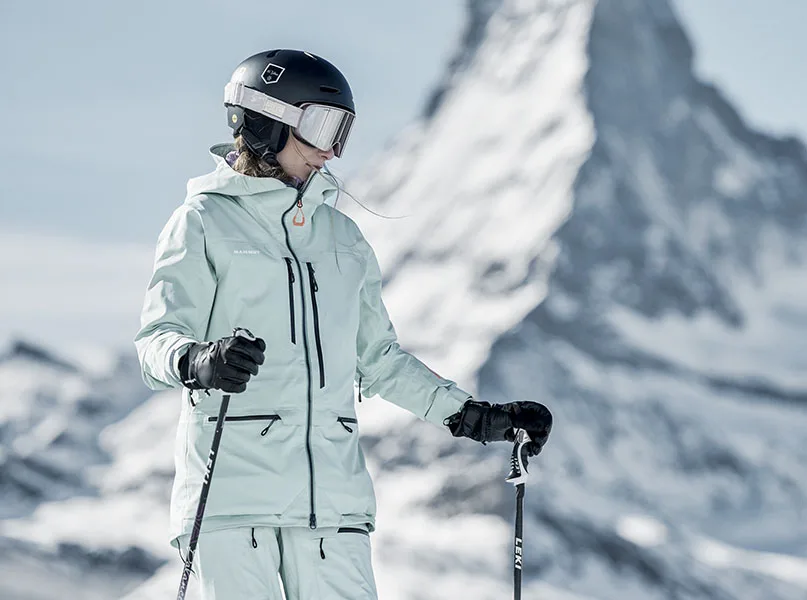
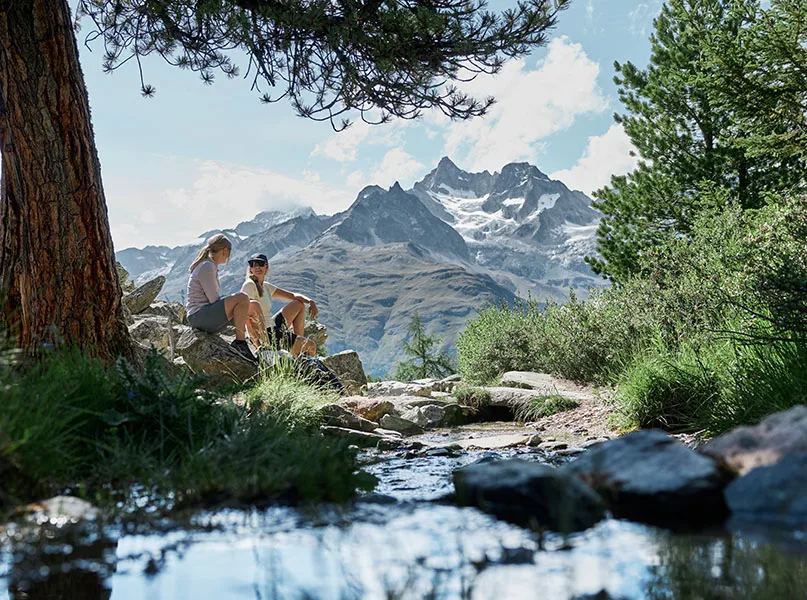
In winter, visitors can enjoy skiing on 360 km of slopes, scenic winter hikes, and exceptional fine dining. During summer and autumn, the focus shifts to hiking, mountain biking, and mountaineering adventures around the iconic Matterhorn.
Our messaging consistently reinforces that Zermatt is far more than a ski resort – it’s a year-round destination offering adventure, relaxation, and cultural experiences in the heart of the Alps.
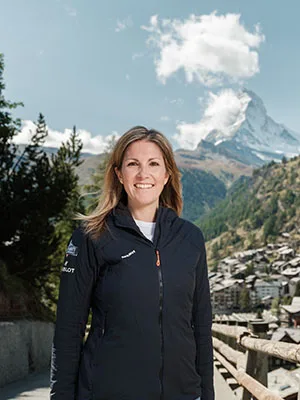
“Zermatt perfectly blends luxurious hotels and exclusive experiences with authentic Swiss heritage, creating an unforgettable destination for those who value nature, comfort, and culture”
Selina Gull, Head of Marketing, Zermatt Tourismus
What unmissable activities and attractions would you recommend for first-time visitors?
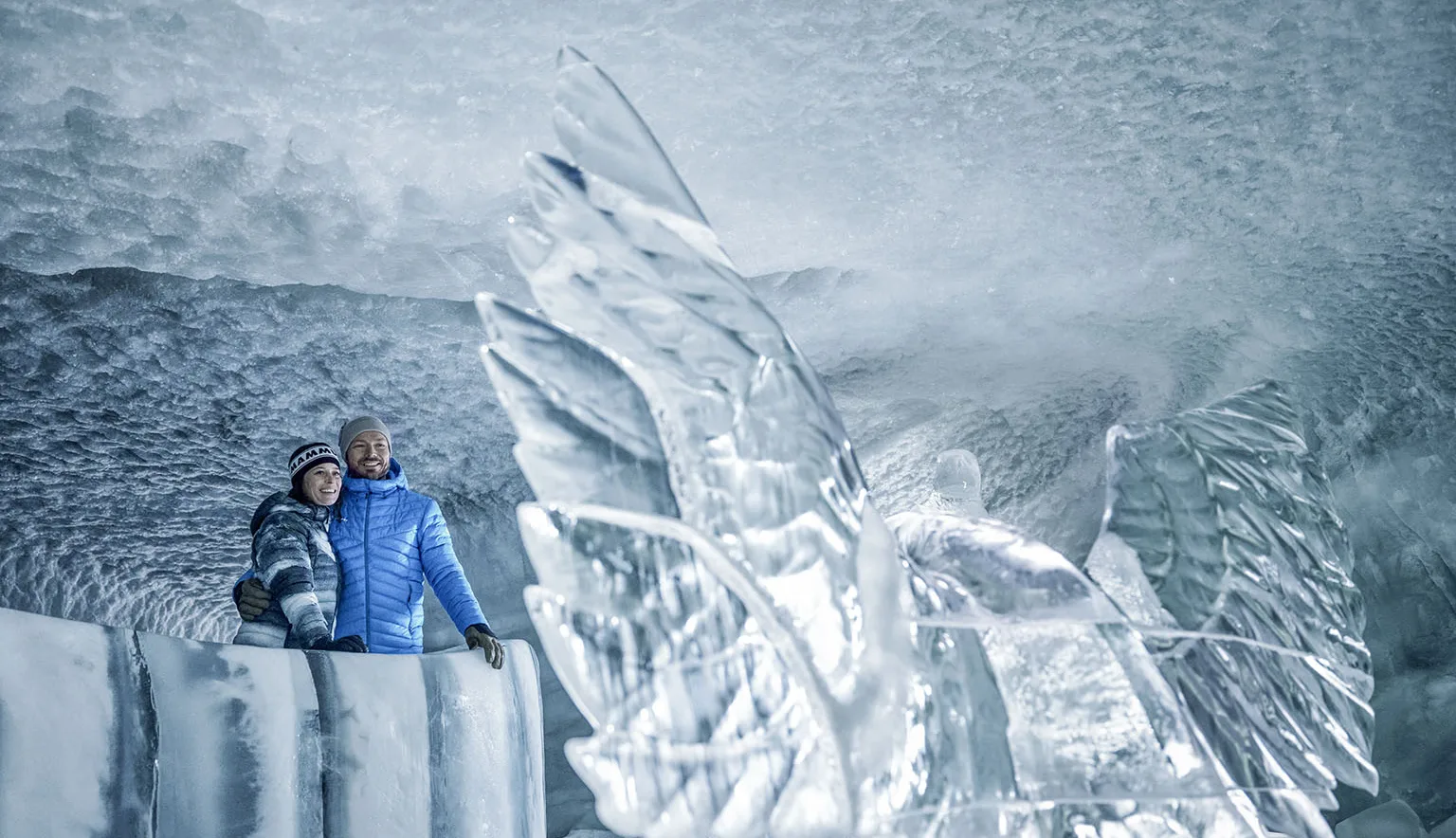
SG: For first-time visitors, Zermatt offers a range of unforgettable experiences. A visit to Matterhorn Glacier Paradise, Europe’s highest cable car station, provides breathtaking views of the surrounding peaks.
Another highlight is the Gornergrat Railway, a scenic train journey that reveals panoramic vistas of the Alps.
Exploring the historic village with its charming wooden chalets offers a glimpse into Zermatt’s rich cultural heritage, as well as culinary delights and traditional Swiss dishes from Michelin-starred restaurants and, of course, witnessing the Matterhorn at sunrise is an experience that will stay with you forever.
Why, in your opinion, should someone visit Zermatt? What defines it as a destination?
SG: Zermatt stands out thanks to its unique combination of natural beauty, diverse offerings, and first-class hospitality.
It offers an authentic Alpine experience, free of traffic, with impressive landscapes and culture that blends tradition with modern luxury. Visitors come for the Matterhorn but stay for the hospitality, adventure, and tranquillity that the mountains in Zermatt offer.
What are some of the most unique characteristics or features that set Zermatt apart from other mountain resorts?
SG: As a unique mountain village, Zermatt guarantees clean air and a tranquil atmosphere thanks to its car-free policy.
Ski enthusiasts can enjoy the slopes all year round, with summer skiing made possible by the glacier. Towering above it all is the region’s iconic landmark – the world-famous Matterhorn, one of the most photographed mountains on the planet.
Zermatt perfectly blends luxurious hotels and exclusive experiences with authentic Swiss heritage, creating an unforgettable destination for those who value nature, comfort, and culture.
“Visitors can expect a destination that continues to preserve its unique Alpine character whilst embracing new ways to enhance comfort, accessibility, and authenticity”
Selina Gull, Head of Marketing, Zermatt Tourismus
What measures are the municipality implementing to promote sustainable tourism and protect its natural environment?
SG: Zermatt has taken significant steps to protect its Alpine landscape and promote sustainable tourism.
The village is subject to strict car-free regulations, meaning only electric vehicles (EVs) are permitted within its boundaries to ensure clean air and a peaceful atmosphere.
Recycling measures are in place to reduce waste and, to further minimise its environmental impact, Zermatt also promotes eco-friendly transportation options, including convenient train connections to the destination and electric taxis for local mobility.
These measures reflect Zermatt’s commitment to protecting nature whilst offering its guests an exceptional experience.
How are trends changing tourism? Have there been any notable shifts in visitor demographics?
SG: Globalisation is reshaping travel behaviour and influencing how visitors plan their stays in Zermatt.
In several key markets, we are seeing noticeable shifts; travellers are booking shorter trips, often opting for quick, high-quality experiences rather than extended vacations. These changes reflect evolving lifestyles, increased mobility, and the desire to maximise limited time whilst still enjoying authentic destinations.
As global connectivity grows, flexibility and adaptability become essential to meet the expectations of guests seeking memorable experiences within condensed travel windows.
What challenges does the tourist industry in Zermatt face, and how are you addressing them?
SG: Digital expectations are rising, with travellers demanding seamless booking and personalised experiences.
Workforce shortages, especially in seasonal roles, make it harder to maintain service quality. Infrastructure must also keep pace with visitor growth whilst preserving the village’s charm and environment.
At the same time, global travel trends show shorter stays and last-minute bookings, requiring flexible pricing and offers.
To address these issues, Zermatt invests in digital solutions, sustainable infrastructure, and innovative packages tailored to evolving guest needs.
Finally, how do you envision the future of tourism in Zermatt, and what developments can visitors expect?
SG: The future of tourism in Zermatt will be guided by innovation, sustainability, and evolving guest expectations.
Rather than focusing on specific trends, we see a shift towards creating experiences that are more personalised, environmentally responsible, and seamlessly integrated with technology. Visitors can expect a destination that continues to preserve its unique Alpine character whilst embracing new ways to enhance comfort, accessibility, and authenticity.